

If your forms collect data from EU residents, GDPR compliance isn't optional. It's a legal requirement with real consequences for getting it wrong. But finding a form builder that handles consent management, data residency, and privacy controls without sacrificing conversion performance is genuinely difficult. Most tools treat compliance as a checkbox feature bolted on after the fact.
This guide covers the best GDPR compliant form builder software available in 2026, evaluated on explicit consent mechanisms, data processing agreements (DPAs), data storage controls, right-to-erasure support, and overall form-building capability. Whether you're a SaaS team capturing leads from EU prospects or an agency building forms for clients across multiple markets, there's a tool here that fits your workflow.
A quick note before we dive in: GDPR compliance is a shared responsibility between your form tool and how you configure and use it. Always consult legal counsel for your specific situation.
1. Orbit AI
Best for: High-growth SaaS teams combining lead qualification with GDPR-conscious EU data collection.
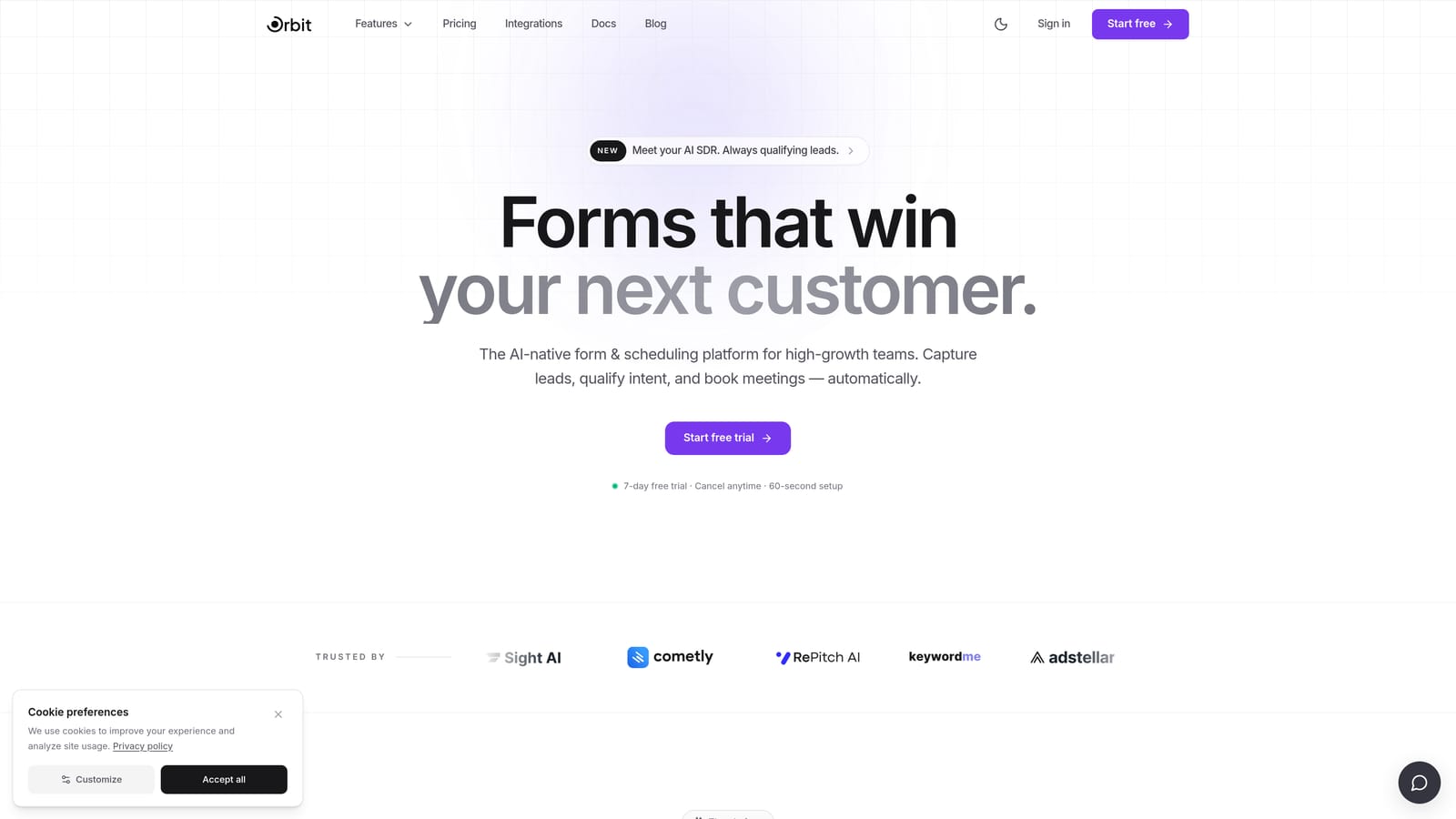
Orbit AI is an AI-powered form builder designed for conversion-optimized lead capture with privacy-conscious data collection built into its architecture.
Where This Tool Shines
Orbit AI approaches form building from a conversion-first perspective, which turns out to align naturally with GDPR principles. Data minimization, one of the regulation's core requirements, is also a conversion best practice. Collecting only what you need means shorter forms, less friction, and better completion rates. Orbit AI's architecture encourages this by design.
For B2B SaaS teams targeting EU markets, the AI-powered lead qualification layer is a genuine differentiator. Instead of dumping every lead into your CRM and sorting later, the form itself helps qualify prospects in real time, reducing the volume of personal data you store and process in the first place.
Key Features
AI-Powered Lead Qualification: Qualifies prospects directly within the form flow, reducing unnecessary data collection and improving lead quality before data ever hits your CRM.
Consent Field Support: Built-in consent fields allow you to capture explicit, informed consent from respondents in line with GDPR requirements for marketing and lead generation forms.
Data Minimization-Friendly Architecture: The platform is designed around collecting only what you need, which supports both GDPR's data minimization principle and better conversion performance.
Conversion-Optimized Design: Beautiful, modern form templates built to reduce friction and improve completion rates for high-growth teams targeting competitive markets.
Built for B2B SaaS: Purpose-built for growth teams working across EU and global markets, with the lead generation and qualification workflows that SaaS teams actually need.
Best For
SaaS teams and growth marketers focused on lead generation from EU and global audiences who need both conversion performance and GDPR-conscious data collection. Particularly strong for teams where lead quality matters as much as lead volume.
Pricing
Visit orbitforms.ai for current pricing plans. The platform is designed for high-growth teams, with plans that scale alongside your form and lead volume needs.
2. Tally
Best for: Lean startups and small teams wanting a free, low-footprint GDPR-aligned form builder.
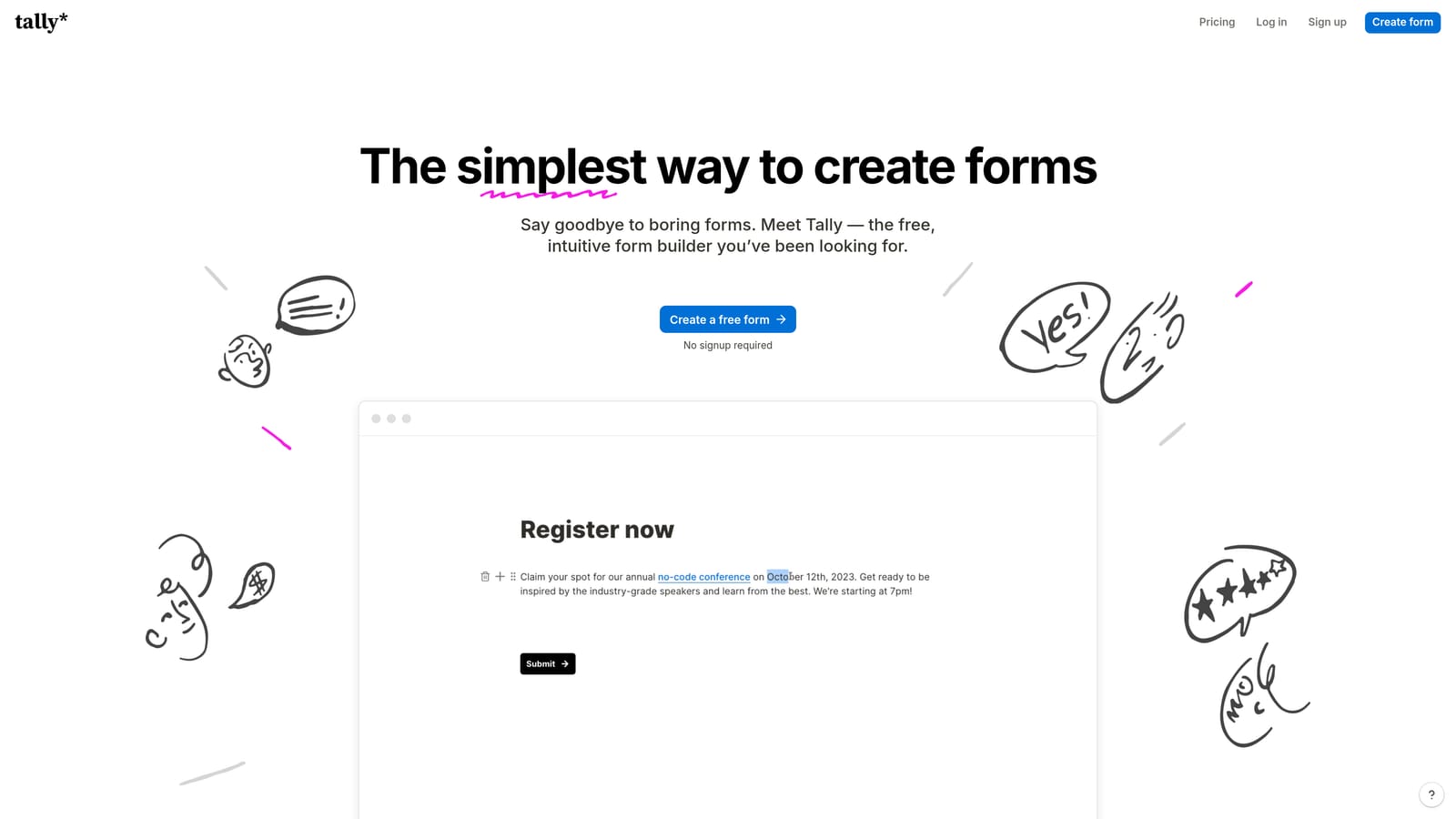
Tally is a minimalist, free-first form builder founded in Belgium with a genuinely low data footprint and strong GDPR credibility for teams that prioritize simplicity.
Where This Tool Shines
Tally's EU origins are a real differentiator here, not just a marketing claim. Being based in Belgium means the company operates under GDPR by default, and that shows in product decisions. The free tier doesn't inject third-party trackers into your forms, which is a meaningful privacy consideration that many competing tools overlook entirely.
The editing experience is clean and Notion-like, making it fast to build and publish forms without a steep learning curve. For small teams or solo founders who need GDPR-ready forms without a compliance department to back them up, Tally's simplicity is a genuine advantage.
Key Features
EU-Based Company: Founded and headquartered in Belgium, giving Tally inherent GDPR alignment that non-EU tools have to work harder to replicate.
Tracker-Free Free Tier: The free plan doesn't inject third-party trackers into published forms, reducing your data exposure without any configuration required.
DPA Availability: Data Processing Agreements are available on paid plans, which is essential for any business-to-business data collection scenario.
Custom Consent Fields: Supports customizable consent checkboxes so you can capture explicit, informed consent with language tailored to your use case.
Notion-Like Editing: Fast, block-based form building that requires minimal onboarding time for teams already familiar with modern productivity tools.
Best For
Startups, indie makers, and small teams that want a free or low-cost GDPR-aligned form tool without heavy configuration overhead. Also a strong pick for EU-based teams who want a form builder that shares their regulatory context by default.
Pricing
Free tier available with genuine functionality. Pro plan available at a paid monthly rate. Check tally.so for current pricing details.
3. Typeform
Best for: Brand-forward marketing teams wanting conversational forms with native GDPR consent tools.
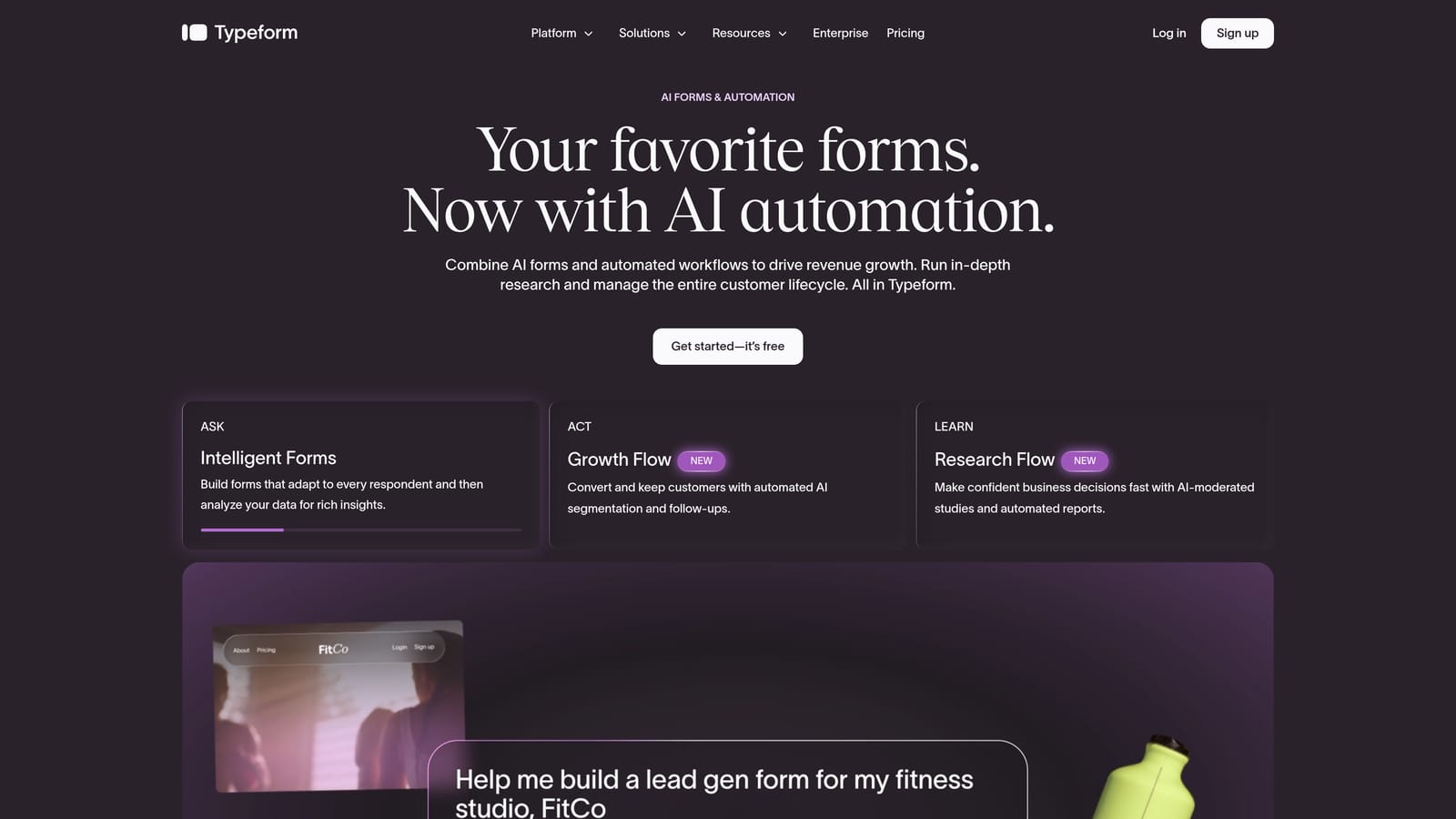
Typeform is a conversational form builder known for its one-question-at-a-time UX, with GDPR consent blocks, a respondent Privacy Center, and EU data residency options on higher-tier plans.
Where This Tool Shines
Typeform's GDPR tooling is more mature than most in this list. The native consent block integrates directly into the form flow rather than feeling like an afterthought, and the respondent Privacy Center gives data subjects a real mechanism to access or delete their information. That last piece matters: GDPR isn't just about collecting consent, it's about honoring ongoing rights.
The conversational, single-question format also has a natural privacy benefit. It reduces the "wall of fields" effect that can make respondents uncomfortable, and it aligns with data minimization principles by presenting one ask at a time rather than an overwhelming intake form.
Key Features
Native GDPR Consent Block: A built-in consent field that integrates naturally into the form flow, not bolted on as a separate step.
Respondent Privacy Center: Gives form respondents a dedicated interface to access their data or submit deletion requests, supporting GDPR's right-to-erasure requirements.
DPA for Business Customers: Data Processing Agreements are available for business-tier customers, covering the processor relationship required under GDPR Article 28.
EU Data Residency: Higher-tier plans offer EU data residency options for teams with strict data localization requirements.
Conversational UX: The one-question-at-a-time format reduces friction and supports a more thoughtful, less overwhelming data collection experience.
Best For
Marketing teams and brand-conscious organizations that want polished, engaging forms with solid GDPR infrastructure. Note that some advanced compliance features are gated behind mid and higher-tier plans, so budget accordingly if EU data residency or full DPA coverage is a requirement.
Pricing
Tiered plans with GDPR features becoming more complete at mid and higher tiers. Check typeform.com for current pricing and feature availability by plan.
4. Paperform
Best for: Agencies and multi-use teams needing flexible form design with adequate GDPR tooling.
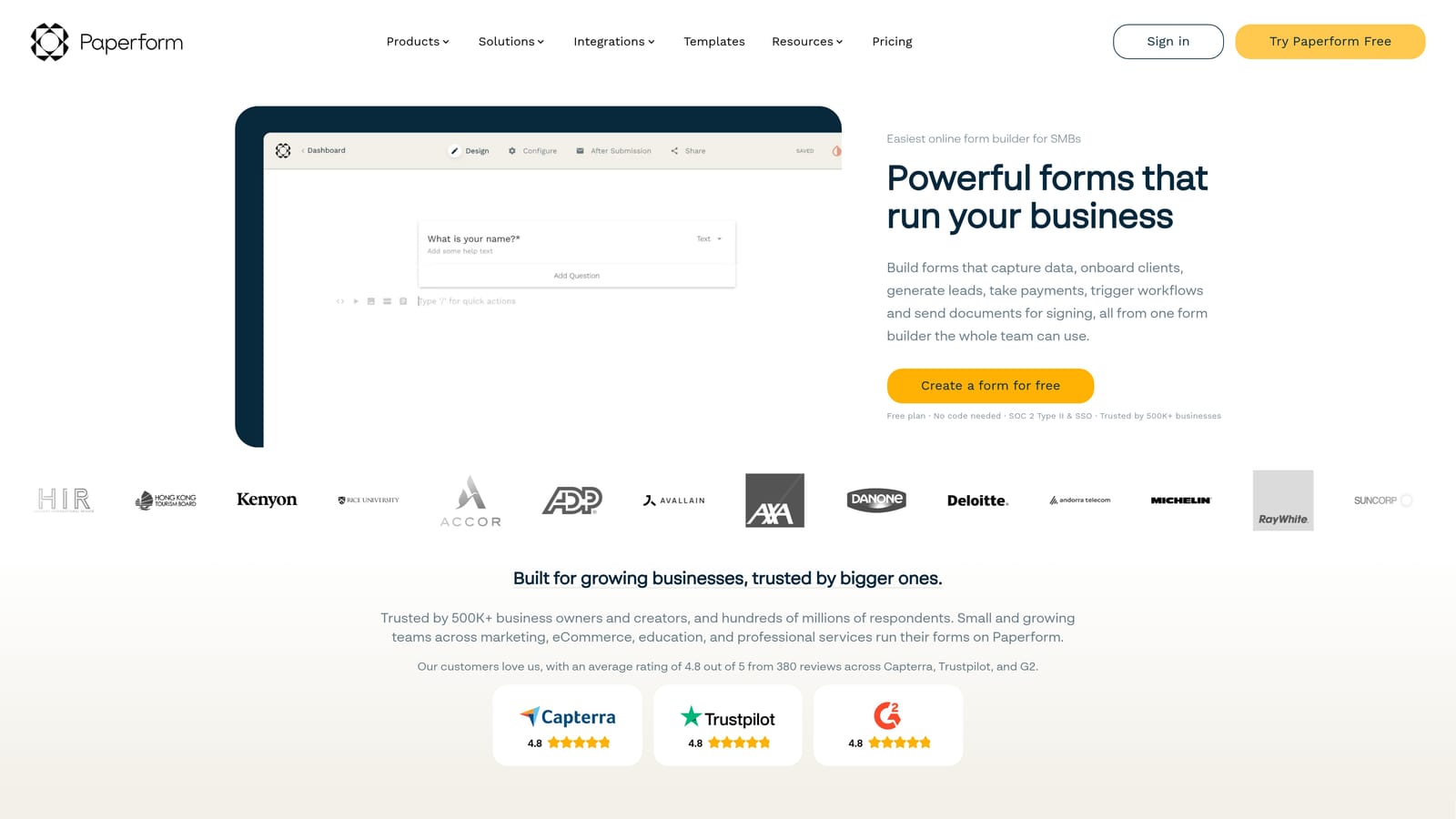
Paperform is a highly flexible, multi-purpose form builder with customizable consent fields, DPA availability on request, and solid GDPR infrastructure suited to agencies managing diverse form types.
Where This Tool Shines
Paperform's flexibility is its defining characteristic. You can build lead capture forms, payment forms, booking systems, and surveys all within the same platform, and you can embed custom consent fields and privacy notices throughout. For agencies managing forms across multiple clients with different needs, that versatility is genuinely valuable.
The platform is Australian-founded rather than EU-native, but it has built adequate GDPR tooling for most use cases. Data is stored on AWS infrastructure with data transfer mechanisms available to support EU compliance requirements, including Standard Contractual Clauses for cross-border data transfers.
Key Features
Custom Consent and Privacy Notice Fields: Fully customizable consent checkboxes and embedded privacy notices let you tailor compliance language to each specific form and audience.
DPA Available on Request: Data Processing Agreements are available, covering the processor relationship required for GDPR-compliant data handling.
AWS Infrastructure with Transfer Mechanisms: Data transfer mechanisms are in place to support EU compliance requirements for cross-border data processing.
Multi-Purpose Form Building: Handles payments, bookings, lead capture, and surveys in a single platform, reducing the number of tools your team needs to manage.
Highly Flexible Design: Extensive customization options make it well-suited to agencies building varied form types for different clients and industries.
Best For
Agencies and consultants managing diverse form needs across multiple clients. Also suitable for small businesses that need a single platform to handle forms, payments, and bookings without switching between tools.
Pricing
Tiered subscription plans across multiple tiers. Check paperform.co for current pricing and plan details.
5. Jotform
Best for: Enterprise teams and regulated industries needing a mature, compliance-heavy form platform.
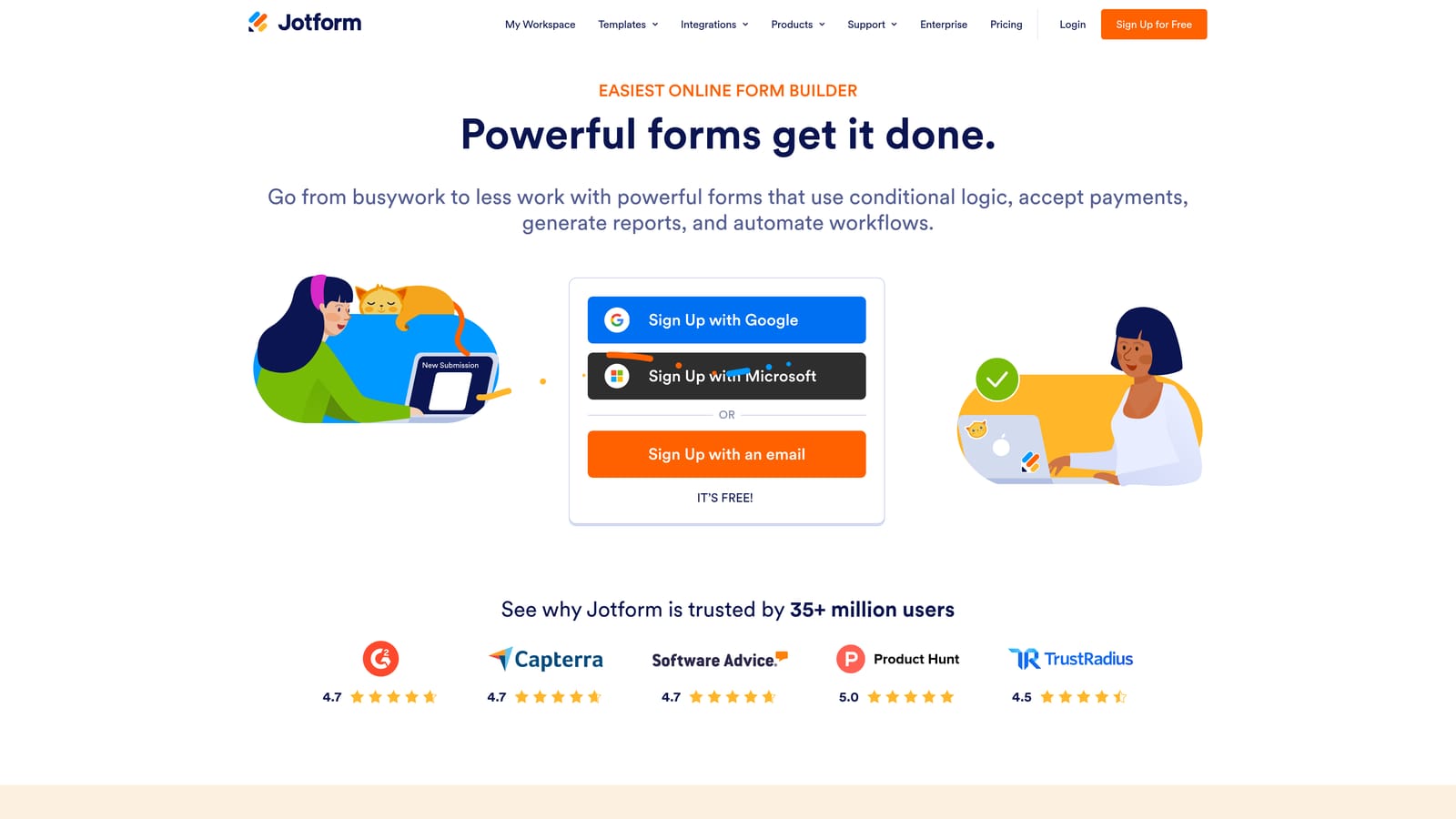
Jotform is one of the most mature form platforms available, with a dedicated GDPR Compliance Center, EU-hosted data storage options, and robust tooling for organizations operating in regulated industries.
Where This Tool Shines
Jotform has invested more explicitly in compliance infrastructure than most form builders. The dedicated GDPR Compliance Center within the platform is a meaningful feature: it centralizes consent management, data access requests, and erasure workflows rather than scattering them across settings menus. For teams that need to demonstrate compliance processes, having a single place to manage this is practically useful.
The platform is also HIPAA compliant alongside GDPR, which matters for healthcare-adjacent teams or any organization that handles sensitive personal data across multiple regulatory frameworks. The combination of GDPR and HIPAA coverage in one tool reduces the number of platforms you need to manage.
Key Features
Dedicated GDPR Compliance Center: A centralized in-platform hub for managing consent, data access requests, and right-to-erasure workflows across all your forms.
EU-Hosted Data Storage: Option to store form data on EU-based servers, addressing data residency requirements without custom infrastructure.
DPA and HIPAA Compliance: Data Processing Agreements available alongside HIPAA compliance, making it suitable for organizations operating under multiple regulatory frameworks.
Consent Widgets and Encryption: Built-in consent widgets, data encryption at rest and in transit, and right-to-erasure workflows cover the core GDPR technical requirements.
GDPR-Specific Templates: A large library of form templates designed specifically for GDPR-compliant data collection scenarios, reducing setup time for common use cases.
Best For
Enterprise organizations, regulated industries, and teams that need comprehensive compliance infrastructure across multiple frameworks. Also a strong option for organizations that want GDPR tooling without hiring a dedicated compliance specialist to configure it from scratch.
Pricing
Free tier available with functional form building. Paid plans scale by submission volume. Check jotform.com for current plan details and compliance feature availability by tier.
6. Formstack
Best for: Operations and RevOps teams needing enterprise compliance alongside workflow automation.
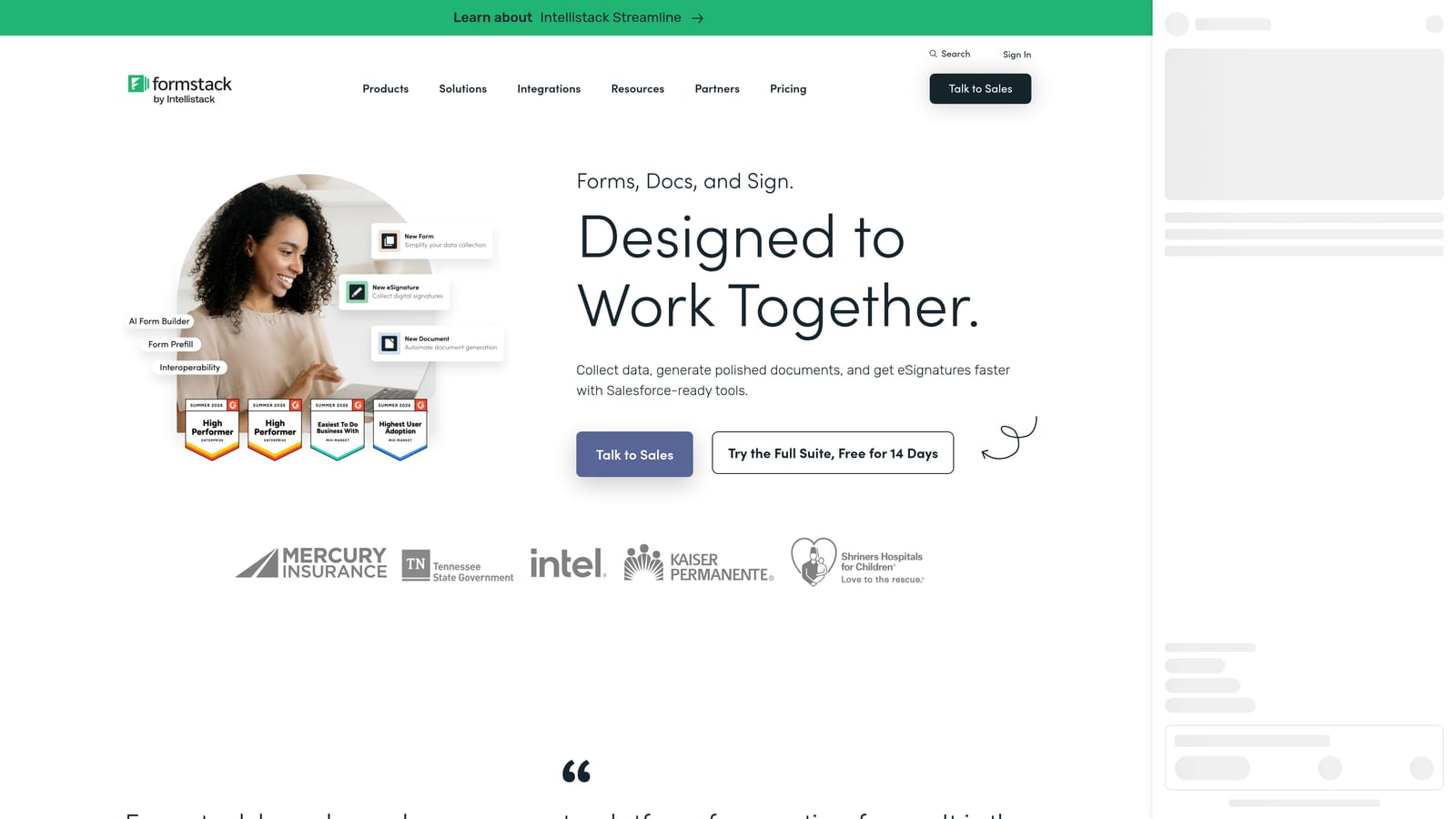
Formstack is an enterprise-grade form and workflow automation platform with SOC 2 Type II certification, GDPR compliance infrastructure, and data encryption built for mid-market and enterprise operations teams.
Where This Tool Shines
Formstack goes beyond form building into broader data collection and workflow automation. Approvals, routing, document generation, and audit trails are all part of the platform, which makes it particularly well-suited to operations teams that need compliance infrastructure woven into their entire data workflow, not just the point of collection.
The SOC 2 Type II certification alongside GDPR compliance is worth noting for enterprise procurement teams. It signals that Formstack's security and data handling practices have been independently audited, which simplifies vendor risk assessments and procurement conversations with security-conscious buyers.
Key Features
SOC 2 Type II Certification: Independently audited security and data handling practices that complement GDPR compliance and simplify enterprise vendor assessments.
DPA and Data Encryption: Data Processing Agreements available alongside encryption at rest and in transit, covering the core technical and legal requirements under GDPR.
Consent Fields and Audit Trails: Consent capture is paired with audit trail functionality, giving compliance teams a documented record of consent collection across forms.
Workflow Automation: Approvals, routing, and document generation extend compliance processes beyond the form itself into the broader data handling workflow.
Enterprise Compliance Posture: Built for mid-market and enterprise environments where compliance requirements extend across multiple teams, systems, and regulatory frameworks.
Best For
Mid-market and enterprise operations teams, RevOps functions, and organizations that need compliance infrastructure integrated with broader workflow automation. Less suited to small teams or startups where the platform's scope and pricing may exceed what's needed.
Pricing
Mid-market and enterprise pricing that reflects the platform's broader feature set. Check formstack.com for current plan details and enterprise pricing options.
Which Tool Is Right for Your Team?
The right GDPR compliant form builder depends on your team size, technical sophistication, and what you're actually trying to accomplish with your forms.
Orbit AI is the strongest choice for high-growth SaaS teams where lead qualification and conversion performance matter as much as compliance. The AI-powered qualification layer and data minimization-friendly architecture make it a natural fit for teams capturing leads from EU prospects at scale.
Tally is the go-to for lean startups and solo founders who want a free, EU-native option with minimal configuration overhead. Its Belgian roots give it genuine GDPR credibility that non-EU tools have to work harder to match.
Typeform suits brand-forward marketing teams that want polished, conversational forms with solid GDPR infrastructure, particularly if EU data residency is a requirement and budget allows for a higher-tier plan.
Paperform is the natural fit for agencies managing varied form types across multiple clients, where flexibility and multi-purpose functionality matter more than deep compliance specialization.
Jotform is the strongest choice for enterprise teams and regulated industries that need a mature compliance center, EU-hosted storage, and HIPAA coverage alongside GDPR tooling.
Formstack belongs in the stack of operations and RevOps teams that need compliance woven into broader workflow automation, not just at the point of data collection.
Whichever tool you choose, remember that GDPR compliance depends on how you configure your forms. Consent language, data retention settings, third-party integration disclosures, and your own privacy policy all matter. The right tool makes compliance easier, not automatic.
If lead generation and conversion are your primary goals alongside GDPR readiness, Start building free forms today and see how Orbit AI's intelligent form design can elevate your conversion strategy while keeping your EU data collection on solid ground.


