

When sales and marketing teams operate in silos, leads fall through cracks, messaging gets inconsistent, and revenue suffers. You've seen it happen: marketing generates what they consider qualified leads, but sales dismisses them as unready. Sales complains about lead quality while marketing points to their MQL numbers. Meanwhile, potential customers slip away because no one's quite sure who owns the relationship at each stage.
The solution? Purpose-built alignment tools that create shared visibility, automate handoffs, and ensure both teams work from the same playbook. We evaluated dozens of platforms to bring you the top tools that actually bridge the sales-marketing divide—from AI-powered lead qualification systems to unified analytics dashboards and revenue intelligence platforms. Here's what made the cut.
1. Orbit AI
Best for: Teams that need AI-powered lead qualification before sales handoff
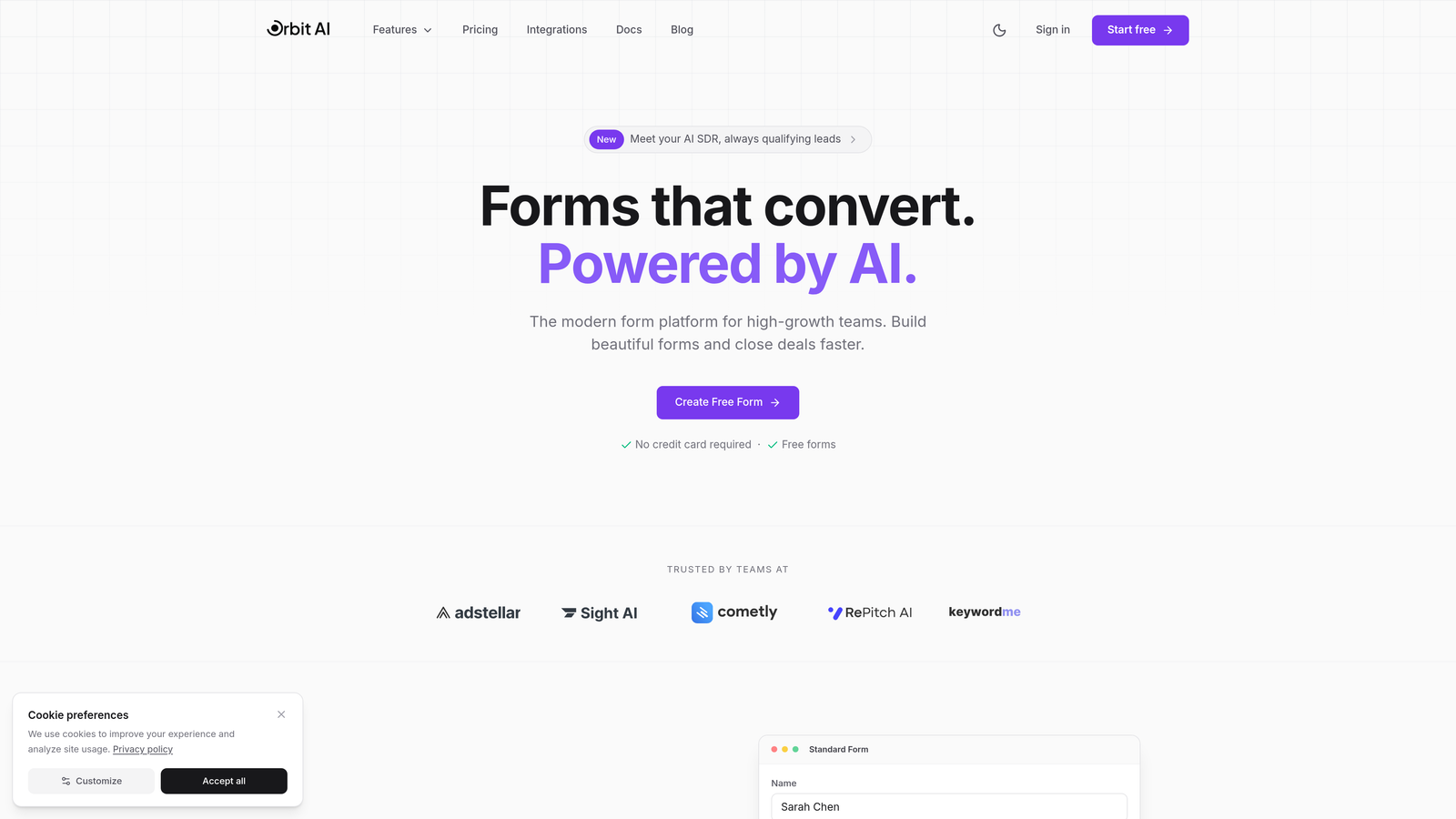
Orbit AI is an AI-powered form builder that qualifies and routes leads automatically, ensuring marketing consistently delivers sales-ready prospects instead of raw contact information.
Where This Tool Shines
The platform solves one of the biggest alignment pain points: the quality gap between what marketing captures and what sales actually needs. Instead of passing every form submission directly to sales, Orbit AI uses intelligent qualification logic to score leads based on their responses, behavioral signals, and fit criteria you define.
This means sales receives leads that have already been vetted and prioritized, while marketing gets credit for delivering genuine opportunities rather than just volume. The system handles routing automatically, sending high-value prospects to sales immediately while nurturing others through marketing workflows.
Key Features
AI-Powered Lead Qualification: Automatically scores and categorizes leads based on response patterns and qualification criteria.
Automatic Lead Routing: Sends qualified leads to the right sales rep based on territory, product interest, or deal size.
Conversion-Optimized Form Builder: Creates modern, high-converting forms that capture the data both teams need without friction.
Native CRM Integrations: Syncs directly with HubSpot, Salesforce, and Pipedrive to maintain data consistency across platforms.
Real-Time Lead Notifications: Alerts sales reps the moment a high-priority lead submits, enabling immediate follow-up.
Best For
High-growth teams and businesses focused on lead generation who struggle with lead quality disputes between sales and marketing. Particularly valuable for companies running digital campaigns where form submissions are a primary lead source and immediate qualification improves conversion rates.
Pricing
Free tier available for teams getting started. Paid plans start at competitive rates with scaling based on form submissions and advanced features.
2. HubSpot
Best for: Teams wanting an all-in-one platform with native sales and marketing integration
HubSpot is a comprehensive CRM platform with separate Marketing Hub and Sales Hub that share contact data, attribution, and lifecycle stages by default.
Where This Tool Shines
HubSpot eliminates the integration headaches that plague many organizations trying to connect separate sales and marketing tools. Because both functions live in the same platform, there's no data sync lag, no duplicate records from failed integrations, and no finger-pointing about whose system has the "source of truth."
Every interaction—whether it's a marketing email open, a sales call, or a website visit—appears in the same contact timeline. Both teams can see exactly how a lead has engaged, what content they've consumed, and where they are in the buying journey without switching between systems.
Key Features
Unified CRM Database: Single source of truth for contact data accessible to both sales and marketing teams.
Shared Contact Timeline: Complete interaction history showing marketing touches and sales activities in chronological order.
Revenue Attribution Reporting: Multi-touch attribution models that show which marketing efforts contribute to closed deals.
Built-In Automation Workflows: Triggers that automatically move leads between marketing nurture and sales follow-up based on behavior and score.
Lead Scoring Integration: Marketing scores leads based on engagement; sales sees those scores and can prioritize accordingly.
Best For
Small to mid-sized businesses that want simplicity and don't need highly specialized tools for each function. Teams that value ease of use and quick adoption over deep customization options.
Pricing
Free CRM with basic features. Marketing Hub starts at $800/month for professional features. Sales Hub pricing varies by tier and user count.
3. Salesforce + Pardot
Best for: Enterprise organizations needing sophisticated B2B marketing automation with deep customization
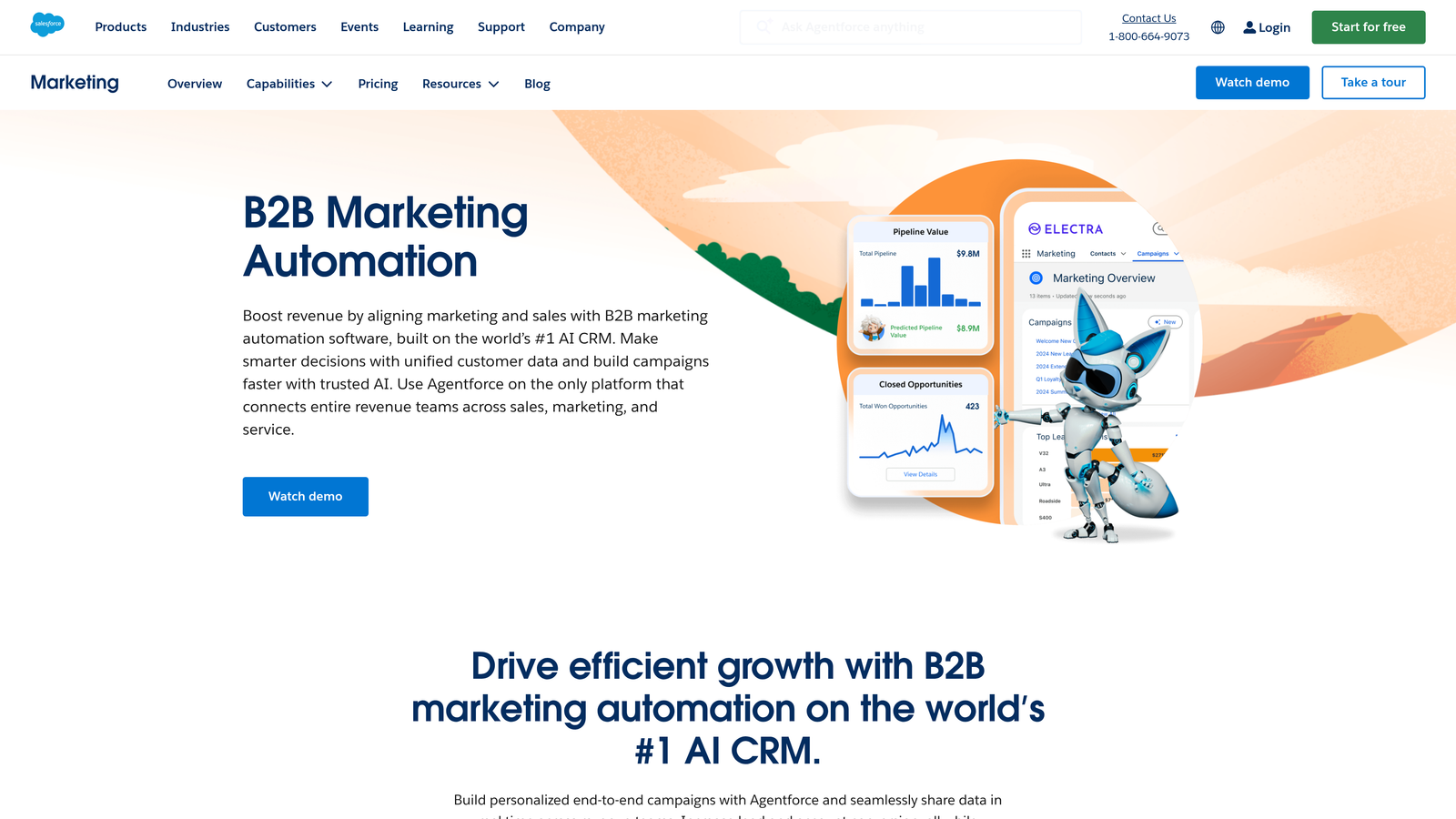
Salesforce with Pardot combines the world's leading CRM with enterprise-grade marketing automation designed specifically for complex B2B sales cycles.
Where This Tool Shines
This combination excels when your sales process involves multiple stakeholders, long consideration periods, and complex attribution needs. Pardot's lead scoring goes beyond simple point systems to incorporate grading (fit) and scoring (engagement) separately, giving sales nuanced intelligence about both a prospect's interest level and their match to your ideal customer profile.
The platform handles sophisticated scenarios like multi-touch attribution across campaigns, channels, and time periods. Sales can see exactly which marketing campaigns influenced each opportunity, while marketing gets credit for pipeline contribution rather than just top-of-funnel metrics.
Key Features
Advanced Lead Scoring Models: Separate scoring for engagement behavior and demographic fit with customizable decay rules.
Campaign Influence Tracking: Multi-touch attribution showing how marketing campaigns contribute to pipeline and revenue.
Deep Customization Options: Extensive automation rules, custom objects, and workflow capabilities for complex business processes.
Einstein AI Insights: Predictive lead scoring and opportunity insights based on historical patterns in your data.
Engagement Studio: Visual automation builder for creating sophisticated nurture programs with branching logic.
Best For
Enterprise B2B companies with complex sales processes, multiple product lines, and dedicated Salesforce administrators. Organizations that need extensive customization and have the resources to manage a sophisticated tech stack.
Pricing
Pardot starts at $1,250/month for up to 10,000 contacts. Salesforce CRM licensing is separate and varies by edition and user count.
4. Drift
Best for: Real-time lead engagement and instant sales handoffs from website conversations
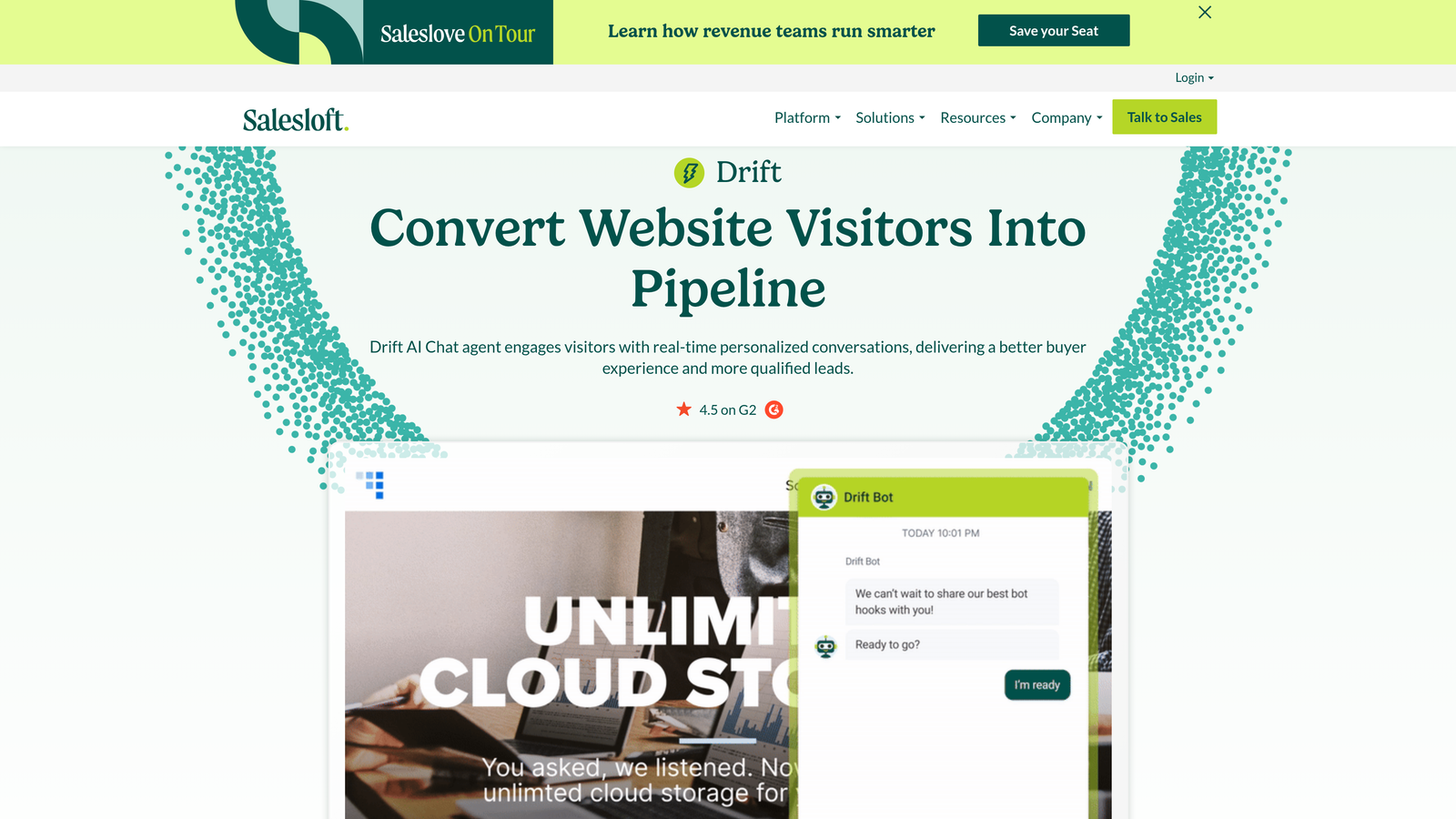
Drift is a conversational marketing platform that connects website visitors to sales reps in real-time through AI chatbots and live chat.
Where This Tool Shines
Drift eliminates the traditional form-to-email-to-sales-follow-up delay by enabling instant conversations. When a high-value prospect visits your pricing page, Drift can identify them, qualify their interest through conversational AI, and route them directly to an available sales rep—all within seconds.
This real-time approach transforms how sales and marketing collaborate. Marketing sets up the playbooks and qualification criteria, while sales gets connected to warm prospects who are actively researching right now, not three days later when the lead has gone cold.
Key Features
AI Chatbots for Qualification: Conversational bots that ask qualifying questions and determine if a visitor should be routed to sales immediately.
Real-Time Meeting Scheduling: Prospects can book time with sales reps directly from the chat interface without email back-and-forth.
Revenue Acceleration Features: Fast-track high-intent visitors to sales conversations while nurturing others through automated sequences.
Account-Based Targeting: Custom playbooks that trigger when visitors from target accounts land on your site.
Conversation Intelligence: Analytics on chat interactions, conversion rates, and sales rep response times.
Best For
B2B companies with sales teams ready to take inbound conversations during business hours. Organizations focused on velocity and immediate engagement with high-intent prospects.
Pricing
Custom pricing with multiple tiers. Premium and Advanced plans include most alignment features like account-based playbooks and custom routing.
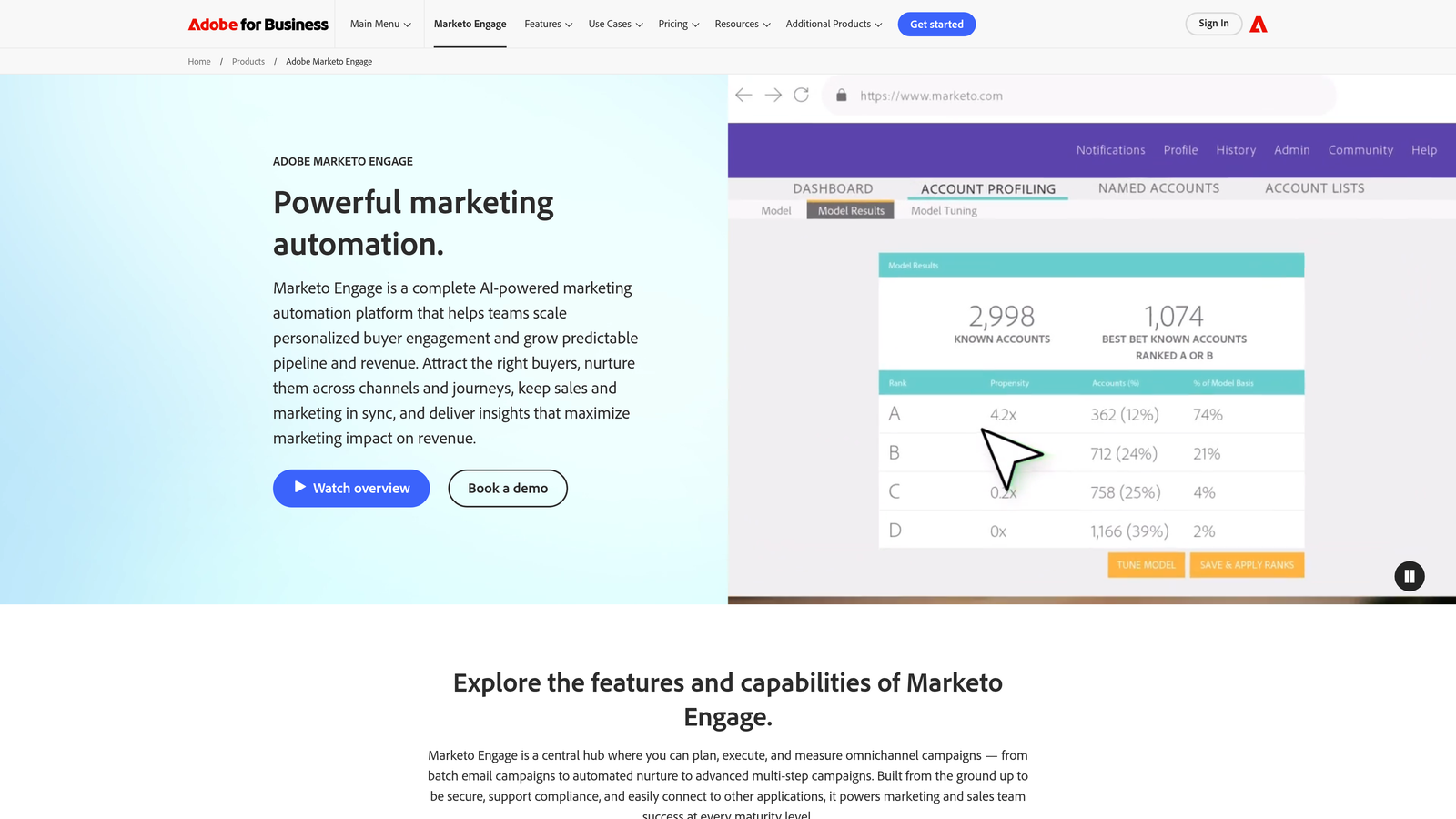
5. Marketo Engage
Best for: Sophisticated lead management with behavior-based scoring and revenue cycle modeling
Marketo Engage is Adobe's marketing automation platform designed for complex B2B marketing with advanced lead management and attribution capabilities.
Where This Tool Shines
Marketo's revenue cycle modeling provides a shared framework for sales and marketing to understand exactly where leads are in the buying journey. Instead of vague stages like "MQL" that mean different things to different people, both teams work from the same defined lifecycle with clear entry and exit criteria for each stage.
The platform's behavior-based scoring goes deep, tracking not just email opens but content consumption patterns, website behavior, and engagement velocity. Sales receives leads with context about their research patterns and interests, not just a score.
Key Features
Behavior-Based Lead Scoring: Sophisticated scoring models that track engagement patterns, content consumption, and buying signals over time.
Multi-Touch Attribution: Revenue attribution across multiple touchpoints showing marketing's contribution throughout the sales cycle.
Revenue Cycle Modeling: Visual lifecycle stages with clear definitions and automated transitions based on behavior and sales actions.
Salesforce Native Integration: Deep bi-directional sync with Salesforce including custom objects and campaign member status.
Advanced Segmentation: Dynamic lists and smart campaigns that automatically update based on behavior and data changes.
Best For
Mid-market to enterprise B2B companies with longer sales cycles and the need for sophisticated lead nurturing. Teams that want granular control over lead management and attribution modeling.
Pricing
Custom pricing based on database size and feature requirements. Generally positioned for companies with marketing budgets to support enterprise-grade automation.
6. Slack + CRM Integrations
Best for: Real-time collaboration and instant visibility into lead activity and deal updates
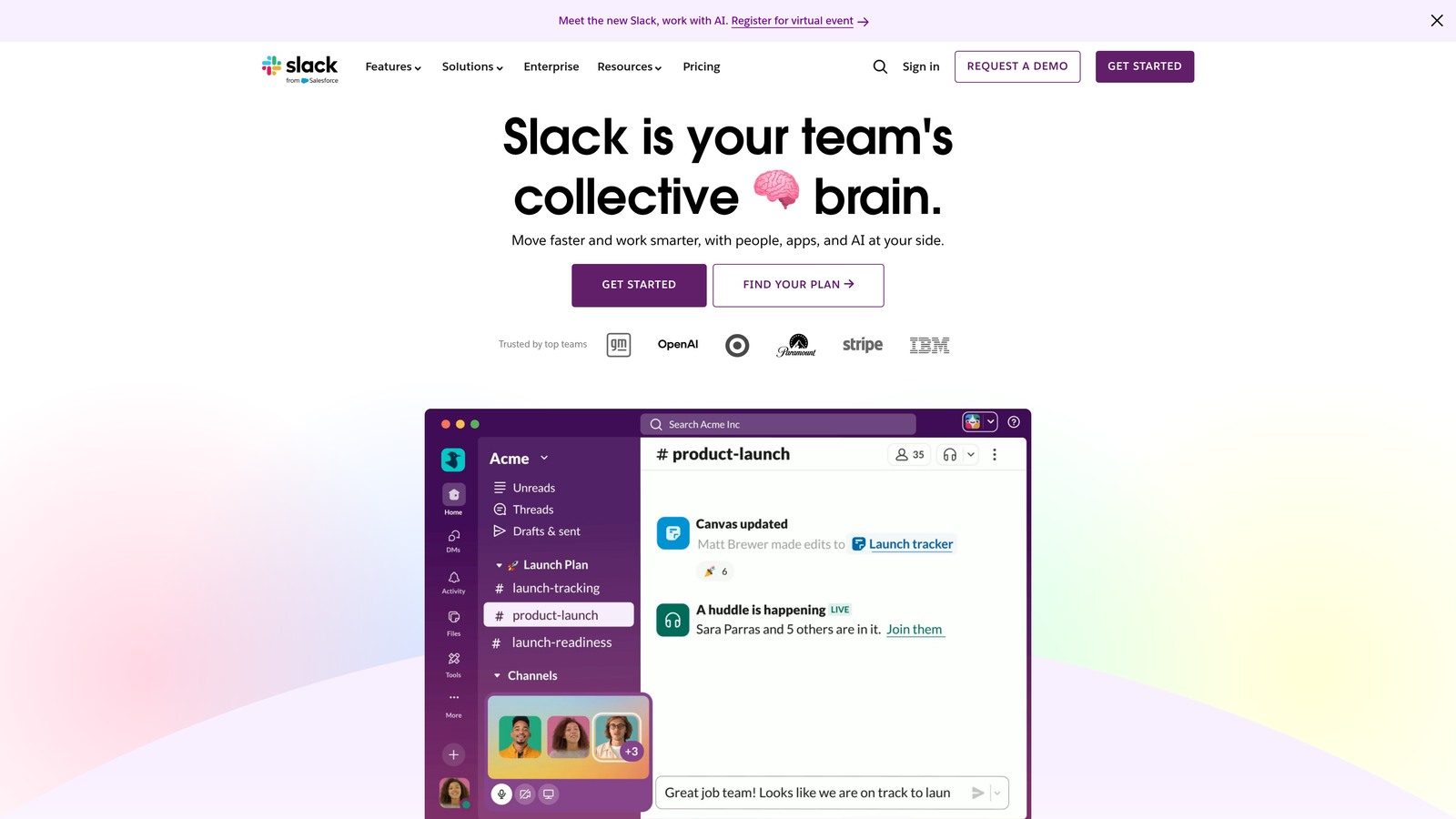
Slack serves as a communication hub that brings CRM alerts, lead notifications, and deal updates into shared channels where both teams work.
Where This Tool Shines
Slack doesn't replace your CRM or marketing automation platform—it creates a layer of real-time communication on top of them. When a high-value lead submits a form, both sales and marketing see the notification in a shared channel. When sales moves a deal to the next stage, marketing sees it immediately and can adjust campaign targeting accordingly.
This transparency eliminates the "what happened to that lead?" questions. Both teams operate with the same real-time information, and conversations about specific accounts happen in dedicated channels where context is preserved and everyone stays aligned.
Key Features
Real-Time Deal and Lead Alerts: Automated notifications when leads take key actions or deals change stages in your CRM.
Shared Channels for Account Teams: Dedicated spaces where sales and marketing collaborate on specific accounts or campaigns.
Workflow Automation: Slack workflows that trigger actions in connected CRM and marketing tools without leaving the conversation.
Major CRM Integrations: Native apps for Salesforce, HubSpot, and other platforms that surface CRM data directly in Slack.
Custom Notifications: Configurable alerts based on lead score changes, campaign responses, or deal milestones.
Best For
Teams already using Slack for daily communication who want to reduce context switching and improve cross-functional visibility. Organizations that value transparency and real-time collaboration.
Pricing
Free tier available with limited message history. Pro plan starts at $7.25/user/month with unlimited message history and advanced integrations.
7. Gong
Best for: Revenue intelligence and using sales conversations to inform marketing strategy
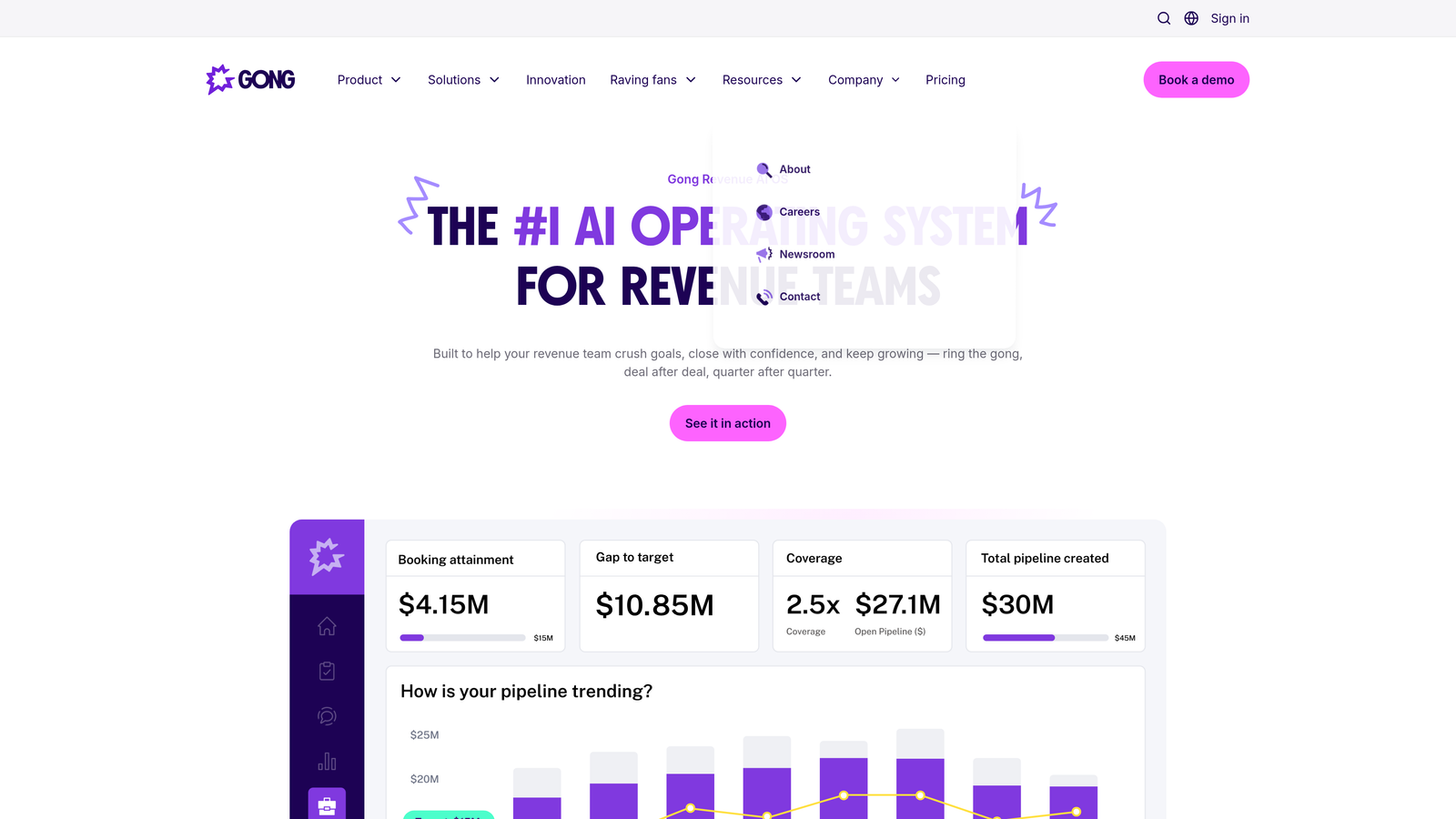
Gong is a revenue intelligence platform that records, transcribes, and analyzes sales conversations to surface insights that improve both sales execution and marketing messaging.
Where This Tool Shines
Gong creates alignment by making sales conversations accessible to marketing teams. Instead of marketing guessing what messaging resonates, they can search Gong's conversation library for how top sales reps position your product, what objections come up repeatedly, and which competitive comparisons prospects care about most.
The platform identifies patterns across hundreds of calls—which features get mentioned in deals that close versus those that stall, what language correlates with faster sales cycles, and which market segments ask different questions. Marketing can use these insights to refine messaging, create better content, and improve lead qualification criteria.
Key Features
Conversation Intelligence: Automatic recording, transcription, and analysis of sales calls with searchable transcripts and highlights.
Deal Analytics: Insights into deal velocity, talk-to-listen ratios, and engagement patterns that predict outcomes.
Market Insights from Calls: Aggregated data on competitor mentions, feature requests, and objection patterns across your sales conversations.
Competitive Intelligence Tracking: Automatic identification and categorization of competitor mentions with trending analysis.
Best Practice Sharing: Libraries of successful call recordings that marketing can use to understand effective positioning.
Best For
B2B companies with inside sales or field sales teams conducting regular calls with prospects. Organizations that want to base marketing strategy on real customer conversations rather than assumptions.
Pricing
Custom pricing based on team size and number of users. Generally positioned for mid-market to enterprise sales organizations.
8. Demandbase
Best for: Account-based marketing with unified account intelligence for both teams
Demandbase is an account-based marketing platform that provides shared account intelligence, intent data, and orchestration capabilities for sales and marketing.
Where This Tool Shines
Demandbase creates alignment by making the account the central unit of focus rather than individual leads. Both sales and marketing work from the same account lists, see the same engagement data, and coordinate their outreach based on account-level intent signals rather than individual actions.
The platform's intent data shows which accounts are actively researching your category, even before they visit your website. Sales and marketing can prioritize the same high-intent accounts, with marketing warming them up through targeted advertising while sales prepares personalized outreach.
Key Features
Account Identification and Scoring: Identifies companies visiting your website and scores accounts based on fit and engagement across both teams' activities.
Intent Data: Third-party intent signals showing which accounts are researching your category across the web.
Advertising Orchestration: Account-based advertising that targets specific companies with personalized creative based on their stage and engagement.
Sales Intelligence Integration: Account insights and engagement data surfaced directly in sales tools like Salesforce and Outreach.
Unified Reporting: Account-level dashboards showing combined sales and marketing engagement and pipeline contribution.
Best For
Enterprise B2B companies pursuing account-based strategies with defined target account lists. Organizations with sales and marketing teams ready to coordinate around accounts rather than leads.
Pricing
Custom pricing for enterprise with multiple product tiers. Implementation typically requires dedicated resources and change management.
9. Terminus
Best for: Multi-channel ABM campaigns coordinated across sales and marketing
Terminus is an account-based marketing platform designed for orchestrating coordinated campaigns across advertising, email, and sales outreach.
Where This Tool Shines
Terminus excels at coordinating multi-channel campaigns where sales and marketing hit target accounts from multiple angles simultaneously. Marketing runs account-based advertising on LinkedIn and display networks while sales receives alerts about which accounts are engaging, enabling perfectly timed outreach.
The platform's account engagement scoring gives both teams a shared metric for account readiness. Instead of marketing claiming success based on impressions and sales judging based on meetings booked, both work from the same engagement score that incorporates advertising views, content downloads, website visits, and sales touches.
Key Features
Account Engagement Scoring: Unified scoring that combines marketing engagement and sales activity into a single account readiness metric.
Multi-Channel Campaign Orchestration: Coordinated campaigns across display advertising, LinkedIn, email, and direct mail with account-level targeting.
Account-Based Advertising: Targeted ads served to specific companies and decision-makers with personalized creative by account segment.
Measurement and Attribution: Account-level analytics showing how combined sales and marketing efforts contribute to pipeline and revenue.
Sales Alerts: Real-time notifications to sales reps when target accounts engage with marketing campaigns.
Best For
Mid-market to enterprise B2B companies with defined target account lists and the resources to run coordinated multi-channel campaigns. Teams committed to account-based strategies rather than lead-based approaches.
Pricing
Custom pricing with multiple tiers based on account database size and channel requirements. Professional services often included for campaign strategy and setup.
Making the Right Choice
The right alignment tool depends on where your biggest gaps exist. If lead quality disputes dominate your sales-marketing relationship, start with Orbit AI to establish clear qualification criteria and automated routing that both teams trust. When you need all-in-one simplicity without integration headaches, HubSpot provides native alignment with minimal technical overhead.
For organizations focused on learning from customer conversations, Gong transforms sales calls into strategic intelligence that informs marketing messaging and positioning. If you're pursuing account-based strategies with defined target lists, Demandbase and Terminus provide the account-level intelligence and multi-channel orchestration that keeps both teams focused on the same opportunities.
The common thread across successful implementations? Both teams need to see value quickly. Choose tools that reduce friction rather than adding complexity, and prioritize platforms that create shared visibility into the metrics both sides care about—not just MQLs or sales activities in isolation, but the complete journey from first touch to closed deal.
Transform your lead generation with AI-powered forms that qualify prospects automatically while delivering the modern, conversion-optimized experience your high-growth team needs. Start your free trial today and see how intelligent form design can elevate your conversion strategy.


