

When your lead capture stack is a patchwork of forms, CRMs, chatbots, and spreadsheets that don't talk to each other, leads fall through the cracks and revenue walks out the door. Disconnected lead capture tools create data silos, slow follow-up, and make it nearly impossible to qualify leads at scale. The result: your team wastes time chasing cold leads while hot prospects go uncontacted.
This list covers the top tools for unifying and optimizing your lead capture workflow in 2026. From AI-powered form builders with built-in qualification logic to CRM platforms with native capture features, we've prioritized tools that either replace fragmented stacks entirely or integrate cleanly enough to eliminate the gaps. Whether you're a growth-focused SaaS team or a B2B operation tired of duct-taping solutions together, there's a fit here for your workflow.
1. Orbit AI
Best for: High-growth SaaS and B2B teams that want capture and qualification in one platform
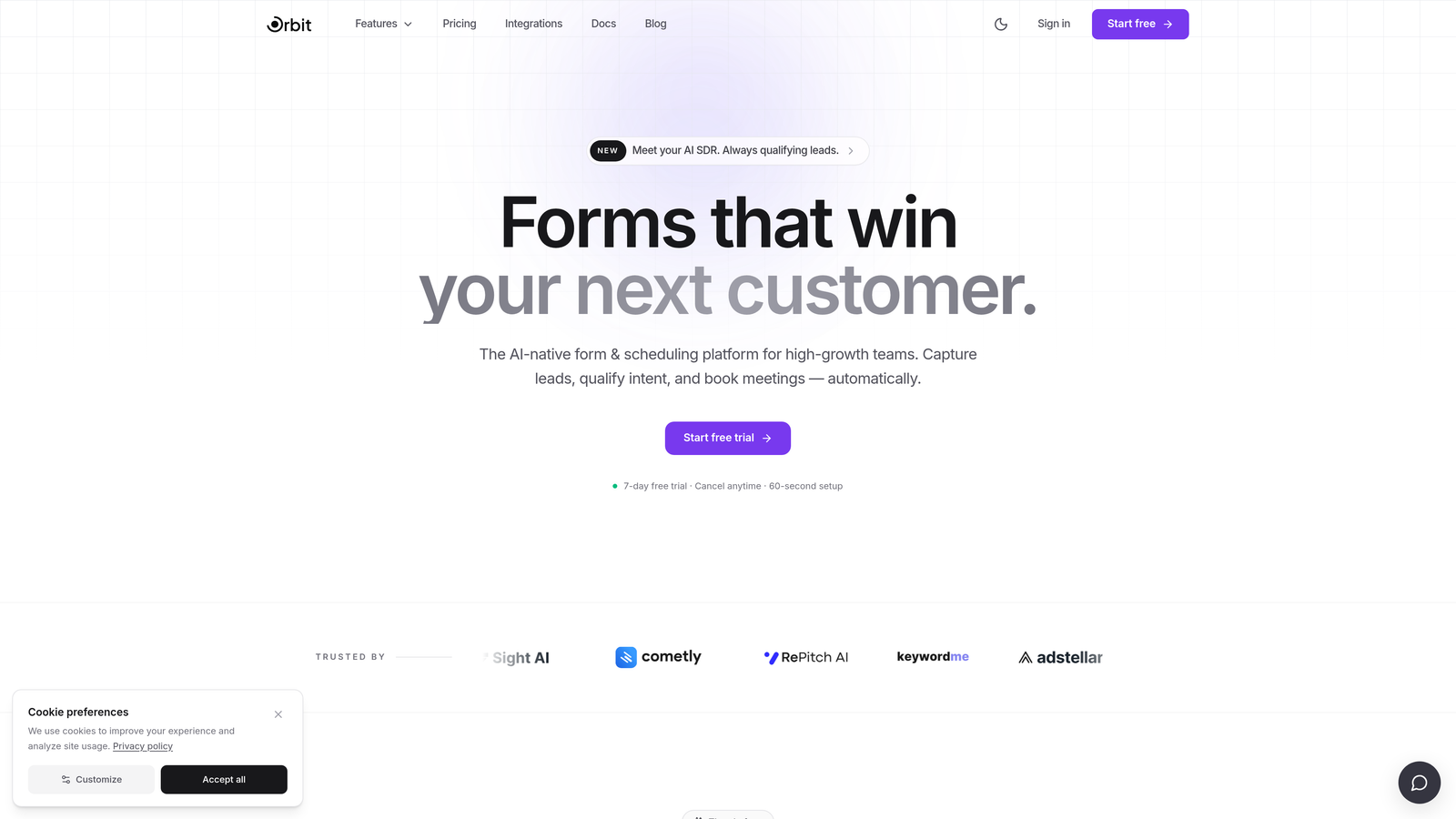
Orbit AI is an AI-powered form builder with native lead qualification and routing, built specifically for teams that can't afford to lose leads between tools.
Where This Tool Shines
Most form builders are just data collectors. Orbit AI is different because the qualification logic lives inside the form itself. Instead of routing raw submissions to your CRM and hoping a rep gets to them in time, you can build scoring and routing rules directly into the form flow, so only the right leads reach the right people.
For teams building a modern lead capture workflow from scratch, this is the clearest single-platform answer to the disconnected stack problem. You're not stitching together a form builder, a qualification layer, and a routing tool. It's one cohesive system designed to move leads forward, not just collect them.
Key Features
AI-Powered Qualification Logic: Embed lead scoring and qualification rules directly into form flows, so submissions are assessed before they hit your CRM.
Conversion-Optimized Templates: Modern, branded form designs built to reduce abandonment and improve completion rates.
Conditional Logic and Dynamic Fields: Personalize the form experience based on responses, creating a more relevant capture journey for each visitor.
Lead Routing Rules: Automatically send qualified leads to the right rep, team, or downstream workflow based on form responses.
CRM and Marketing Integrations: Connect to your existing stack cleanly, eliminating the sync gaps that cause lead leakage.
Best For
SaaS companies and B2B growth teams that want a single platform handling form building, qualification, and routing without the complexity of managing multiple point solutions. Particularly strong for teams where lead quality entering the CRM is a recurring problem.
Pricing
Visit orbitforms.ai for current pricing and free trial options. A free starting point is available.
2. HubSpot Forms
Best for: Teams already using HubSpot CRM who want zero-gap form-to-contact sync
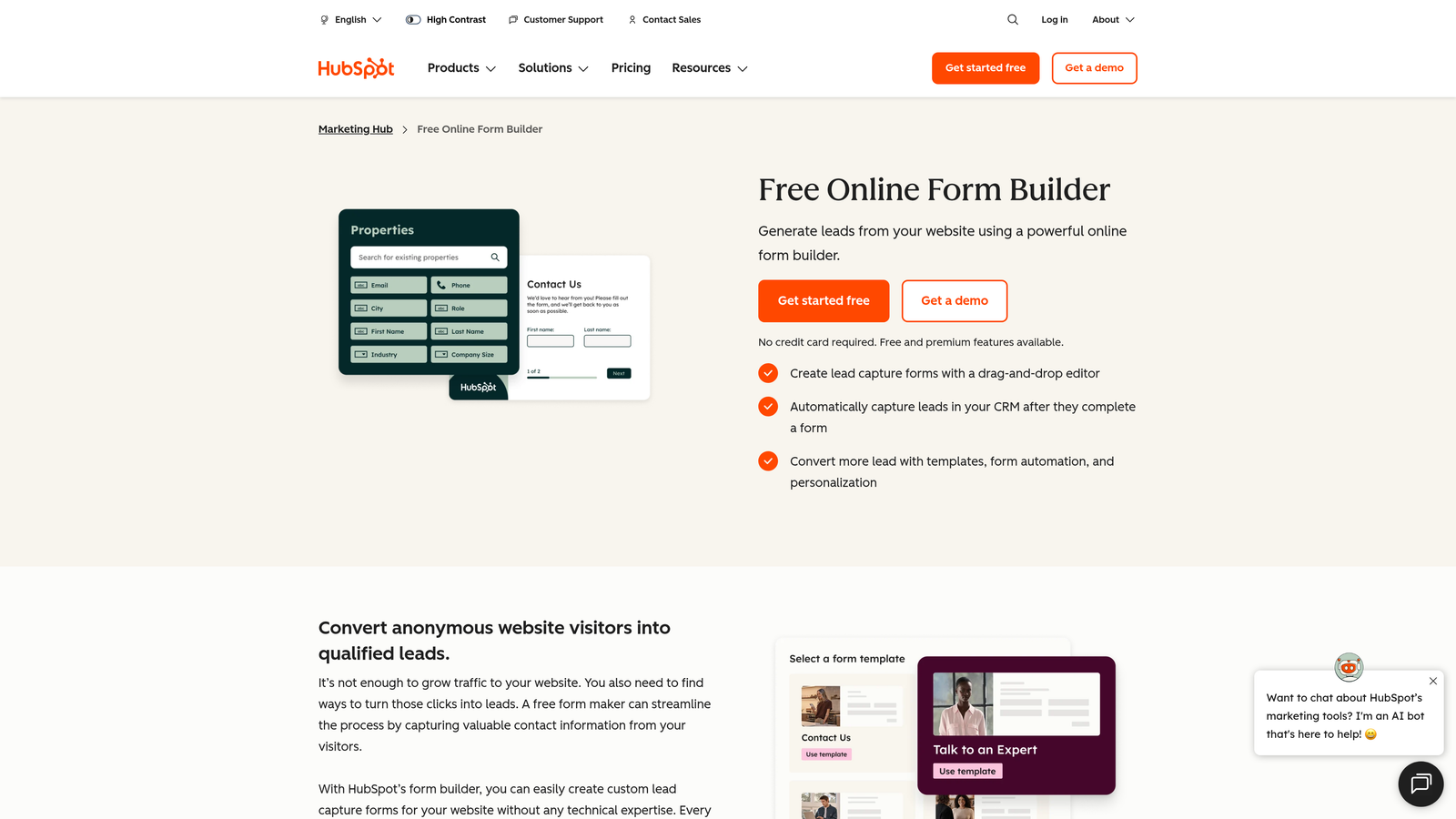
HubSpot Forms is a native form builder inside HubSpot's CRM platform that feeds submissions directly into contacts and workflows with no middleware required.
Where This Tool Shines
The biggest advantage here is tight ecosystem integration. When someone submits a HubSpot form, a CRM contact is created instantly, lists update automatically, and workflows can trigger without any Zapier glue in between. For teams whose disconnection problem is specifically the gap between form submission and CRM record creation, this closes it completely.
The trade-off is flexibility. HubSpot Forms work best when your entire stack lives inside HubSpot. If you're using a different CRM or want more control over form design and qualification logic, you'll hit limitations quickly.
Key Features
Zero-Gap CRM Sync: Form submissions create HubSpot contact records instantly, with no integration layer or delay.
Workflow Triggers: Automatically enroll contacts in HubSpot sequences or workflows based on form submissions.
Progressive Profiling: Show new questions to returning visitors so you collect richer data over time without lengthening forms.
Free Tier Access: Available within HubSpot's free CRM, making it accessible without upfront investment.
Best For
Teams that are already HubSpot-native and want to eliminate the form-to-CRM sync gap without adding another tool. Less suited for teams using Salesforce or other CRMs as their primary system of record.
Pricing
Free with HubSpot CRM's free tier. Paid plans start at $15/month with Marketing Hub Starter, with additional features unlocking at higher tiers.
3. Typeform
Best for: Teams whose lead capture problem starts with low form completion rates
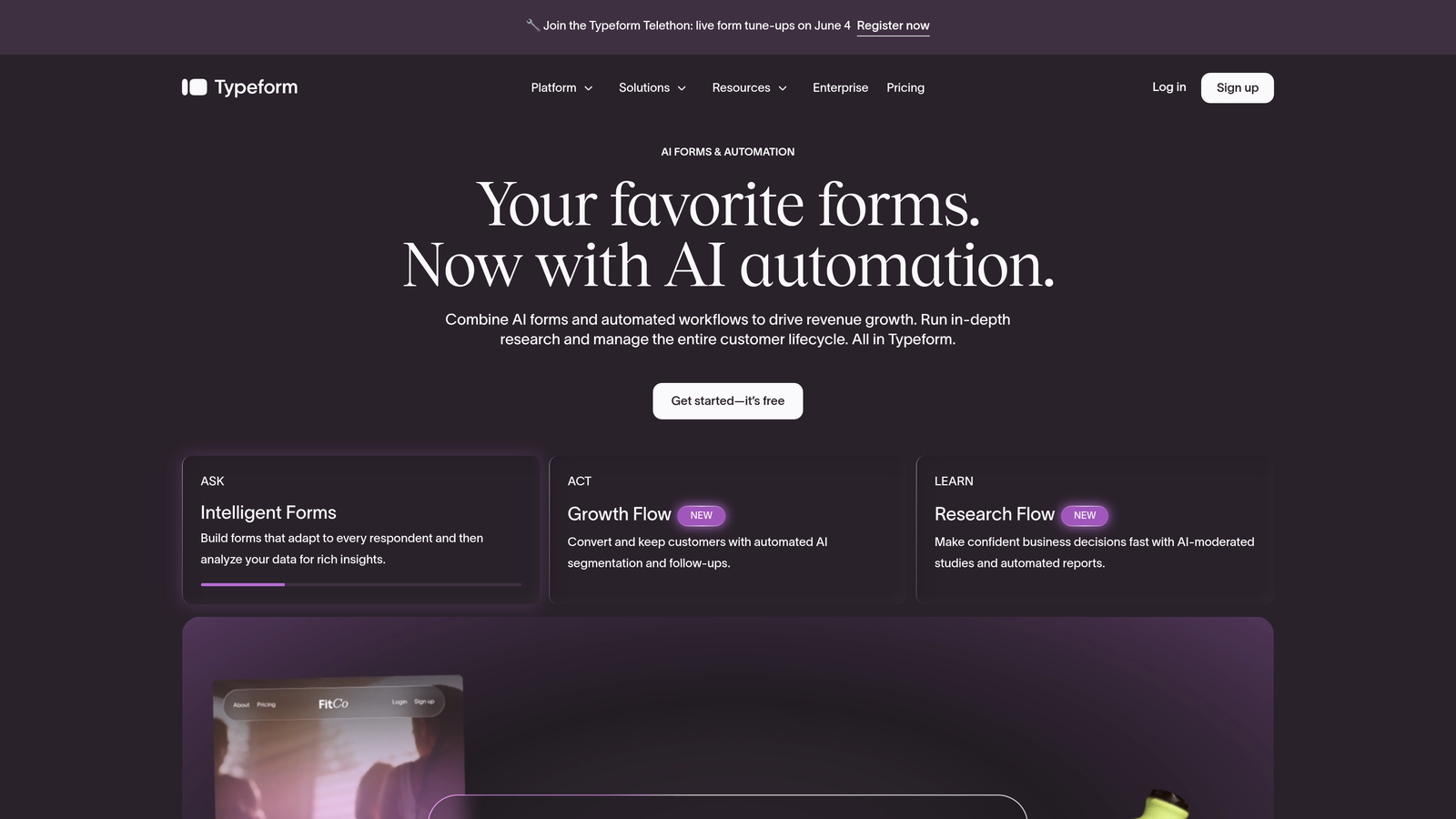
Typeform is a conversational form builder known for its one-question-at-a-time format, designed to reduce form fatigue and improve submission rates.
Where This Tool Shines
If your forms are getting traffic but not conversions, Typeform's format addresses the friction problem directly. Presenting one question at a time feels less like filling out a form and more like a conversation, which typically improves engagement on longer or more complex capture flows.
The limitation is on the qualification and routing side. Typeform is strong at collecting data but doesn't have native AI qualification logic. You'll need to connect it to another tool or automation layer to do anything intelligent with submissions after they arrive.
Key Features
Conversational Format: Single-question-at-a-time presentation reduces abandonment on multi-field forms.
Logic Jumps and Branching: Personalize question paths based on previous answers for a more relevant experience.
Native Integrations: Connects directly with HubSpot, Salesforce, Slack, and other common stack tools.
Flexible Embedding: Embed as a popup, inline form, or standalone page depending on your landing page setup.
Best For
Teams dealing with high form abandonment who need a more engaging capture experience. Also useful for survey-style qualification flows where the conversational format adds value. Less ideal as a standalone solution for teams that need built-in lead scoring.
Pricing
Free plan available with limited responses. Paid plans start at $25/month on the Basic plan, with higher tiers unlocking more responses and advanced features.
4. Drift
Best for: Enterprise teams replacing static forms with real-time conversational qualification
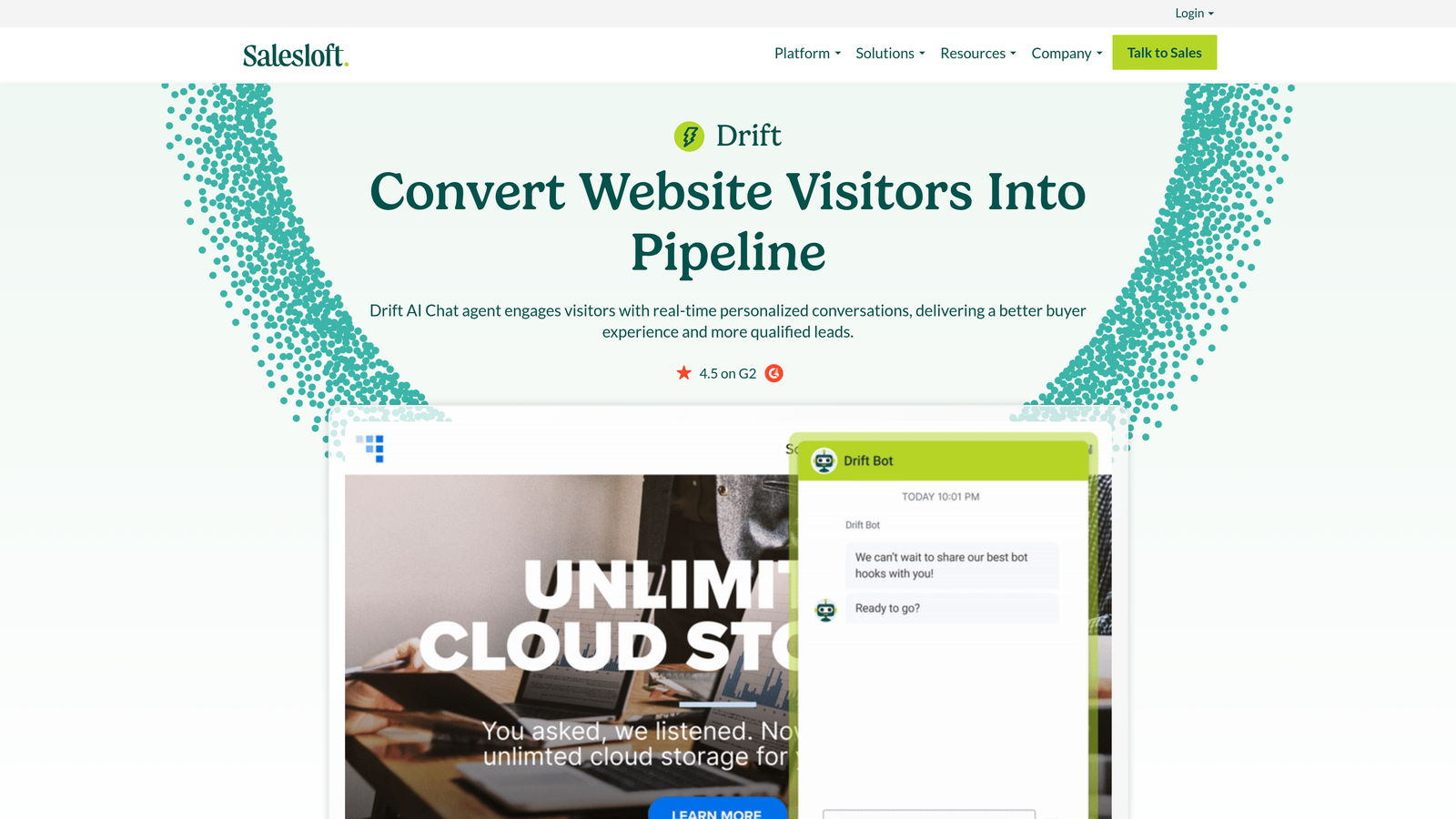
Drift is a conversational marketing platform that replaces traditional lead capture forms with AI-powered chat and qualification directly on your website.
Where This Tool Shines
Drift takes a fundamentally different approach to the disconnected lead problem. Rather than improving the form, it removes the form entirely and replaces it with a chat-driven qualification experience. For high-intent visitors arriving on pricing or demo pages, this can compress the time between arrival and booked meeting significantly.
The implementation complexity and cost make Drift better suited for enterprise inbound teams with the resources to build and maintain playbooks. Smaller teams may find the setup overhead and pricing hard to justify relative to simpler alternatives.
Key Features
AI Chatbot Qualification: Qualifies and routes website visitors in real time through automated conversation playbooks.
Automated Playbooks: Pre-built conversation flows handle common qualification scenarios without rep involvement.
Calendar Integration: Lets qualified prospects book meetings directly within the chat flow, reducing drop-off between interest and commitment.
CRM Sync: Connects with Salesforce, HubSpot, and Marketo to pass qualified leads downstream without manual handoff.
Best For
Enterprise B2B and SaaS teams with significant inbound traffic and the resources to implement and optimize conversational playbooks. Not the right fit for early-stage teams or those with limited marketing ops capacity.
Pricing
Premium pricing available on request through Drift's sales team (now part of Salesloft). Not publicly listed; expect enterprise-level investment.
5. Zapier Interfaces
Best for: Ops-focused teams that need connective tissue between existing capture tools
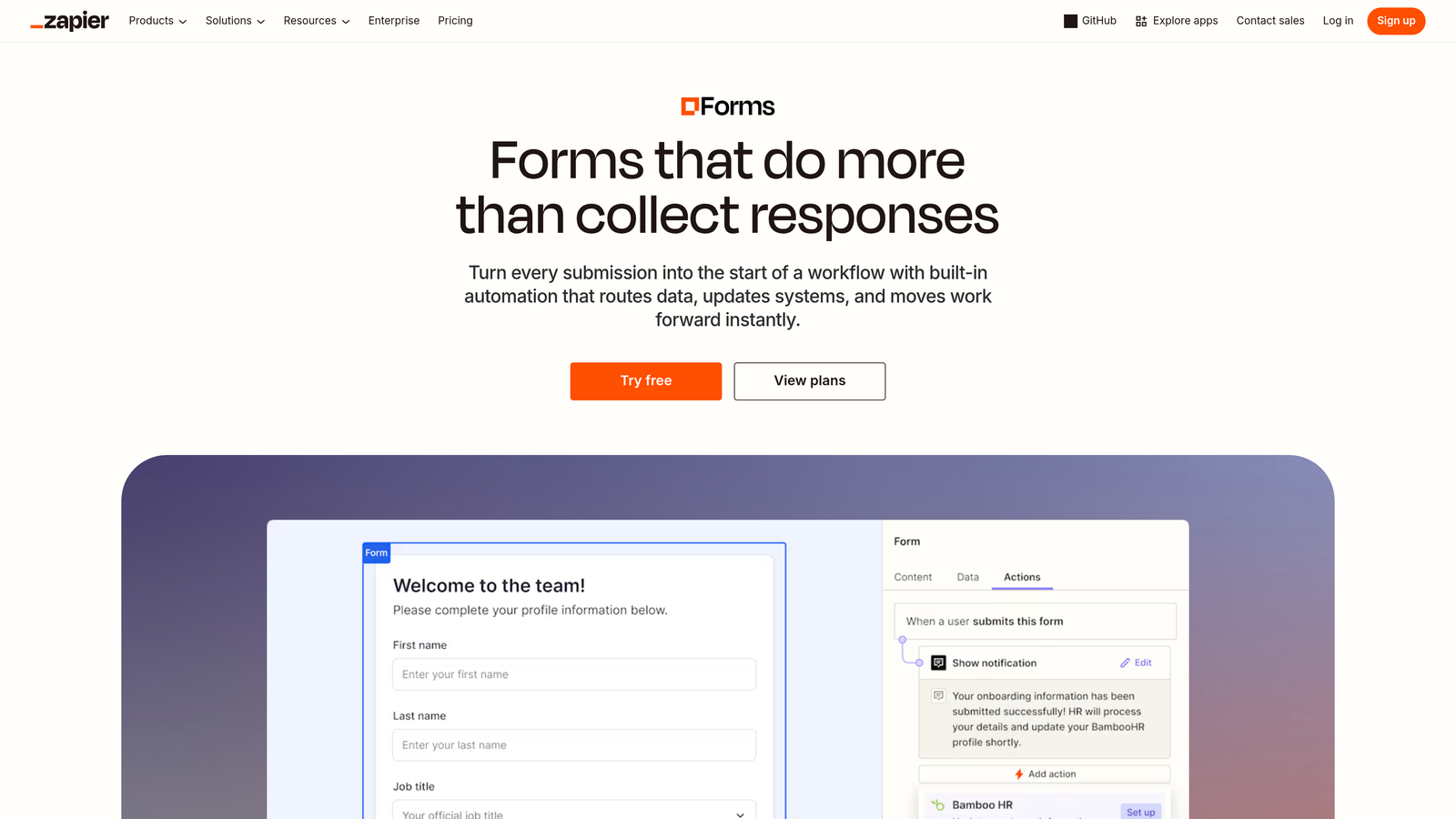
Zapier Interfaces is a lightweight form and interface builder from Zapier that triggers multi-step automation workflows, designed to bridge gaps in an existing stack rather than replace it.
Where This Tool Shines
Zapier Interfaces isn't trying to be your primary form builder. Its value is in the automation layer it unlocks. When a form submission needs to trigger a sequence of actions across multiple tools simultaneously, Interfaces gives you a simple capture front-end with Zapier's full automation power behind it.
For teams that have already invested in a CRM, email platform, and other point solutions, this is a practical way to eliminate the manual steps and sync delays between them without rebuilding the stack from scratch.
Key Features
Workflow Triggers: Each form submission can kick off complex, multi-step Zaps connecting any combination of tools in your stack.
5,000+ App Connections: Access to Zapier's full integration library means virtually any tool in your stack can receive data from a submission.
Flexible Deployment: Share as standalone pages or embed within existing sites and landing pages.
No-Code Setup: Build forms and automation flows without engineering involvement.
Best For
Operations and growth teams managing a multi-tool stack who need a connective layer rather than a full replacement. Works best when the existing tools are solid but the handoffs between them are breaking down.
Pricing
Included with Zapier plans. Paid plans start at $19.99/month, with automation limits scaling at higher tiers.
6. Jotform
Best for: Teams managing complex or varied lead capture workflows with broad integration needs
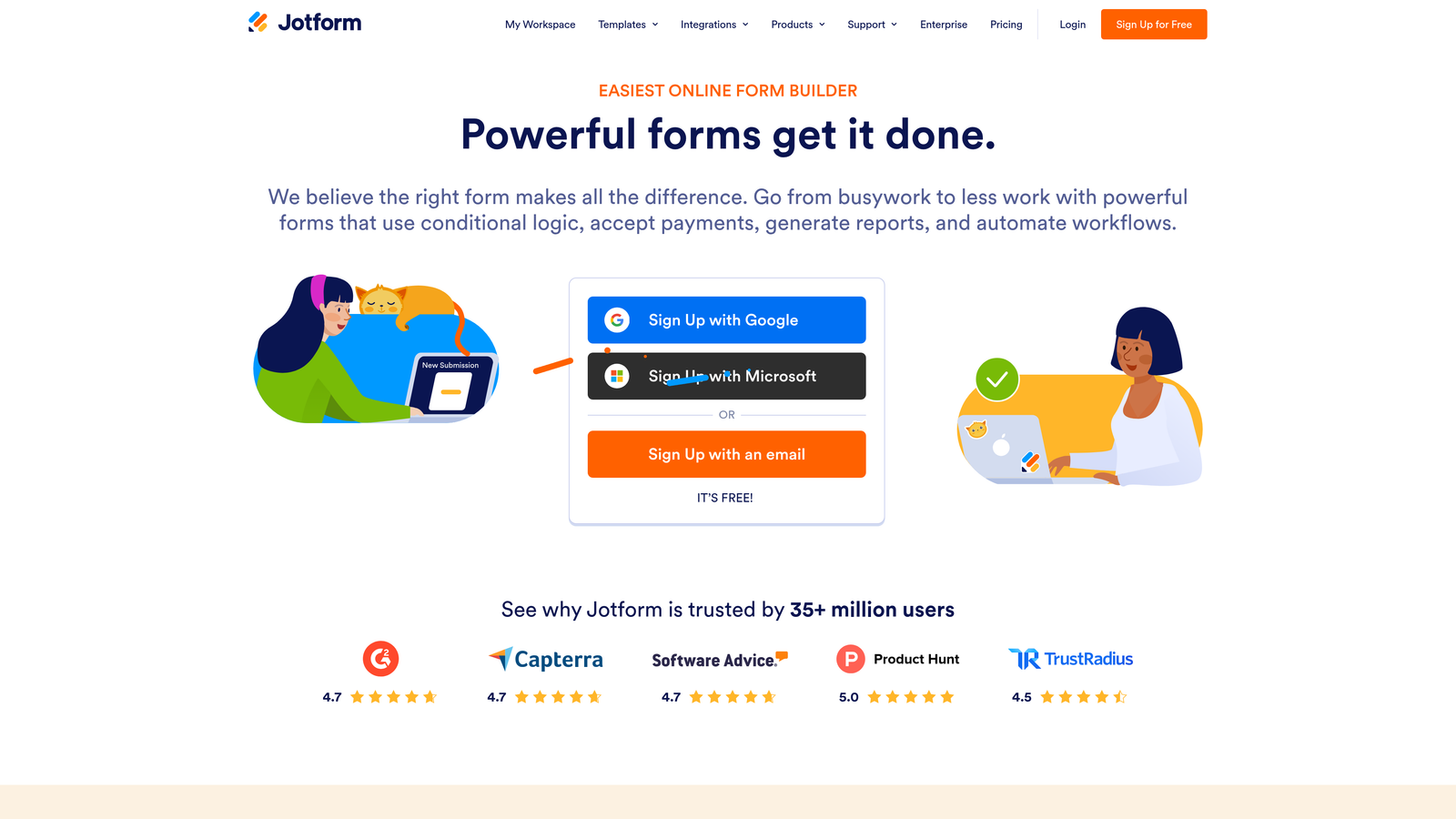
Jotform is a mature, highly flexible form builder with an extensive integration library suited to teams that need breadth and customization.
Where This Tool Shines
Jotform's strength is its depth of integration and flexibility. With over 200 native integrations covering CRMs, payment processors, marketing platforms, and project management tools, it's one of the most broadly connected form builders available. For agencies or operations teams running varied capture workflows across multiple clients or use cases, that breadth matters.
It's not AI-native, so you won't get built-in lead qualification logic. But for teams whose disconnection problem is primarily about integration gaps rather than qualification, Jotform's library is hard to beat.
Key Features
200+ Native Integrations: Connects directly with a wide range of CRMs, marketing tools, and business platforms without requiring Zapier as middleware.
Advanced Conditional Logic: Multi-page forms with branching logic for complex capture scenarios.
Approval Workflows: Route and review submissions through internal approval processes before they reach downstream systems.
HIPAA-Compliant Plans: Available for teams in regulated industries that need compliant data handling.
Best For
Agencies, operations teams, and businesses with diverse or complex form needs across multiple workflows. Also a strong choice for regulated industries needing compliant form infrastructure.
Pricing
Free plan available with limited submissions. Paid plans start at $34/month on the Bronze plan, with higher tiers unlocking more submissions and advanced features.
7. Salesforce Web-to-Lead
Best for: Salesforce-native teams that want direct lead record creation with zero middleware
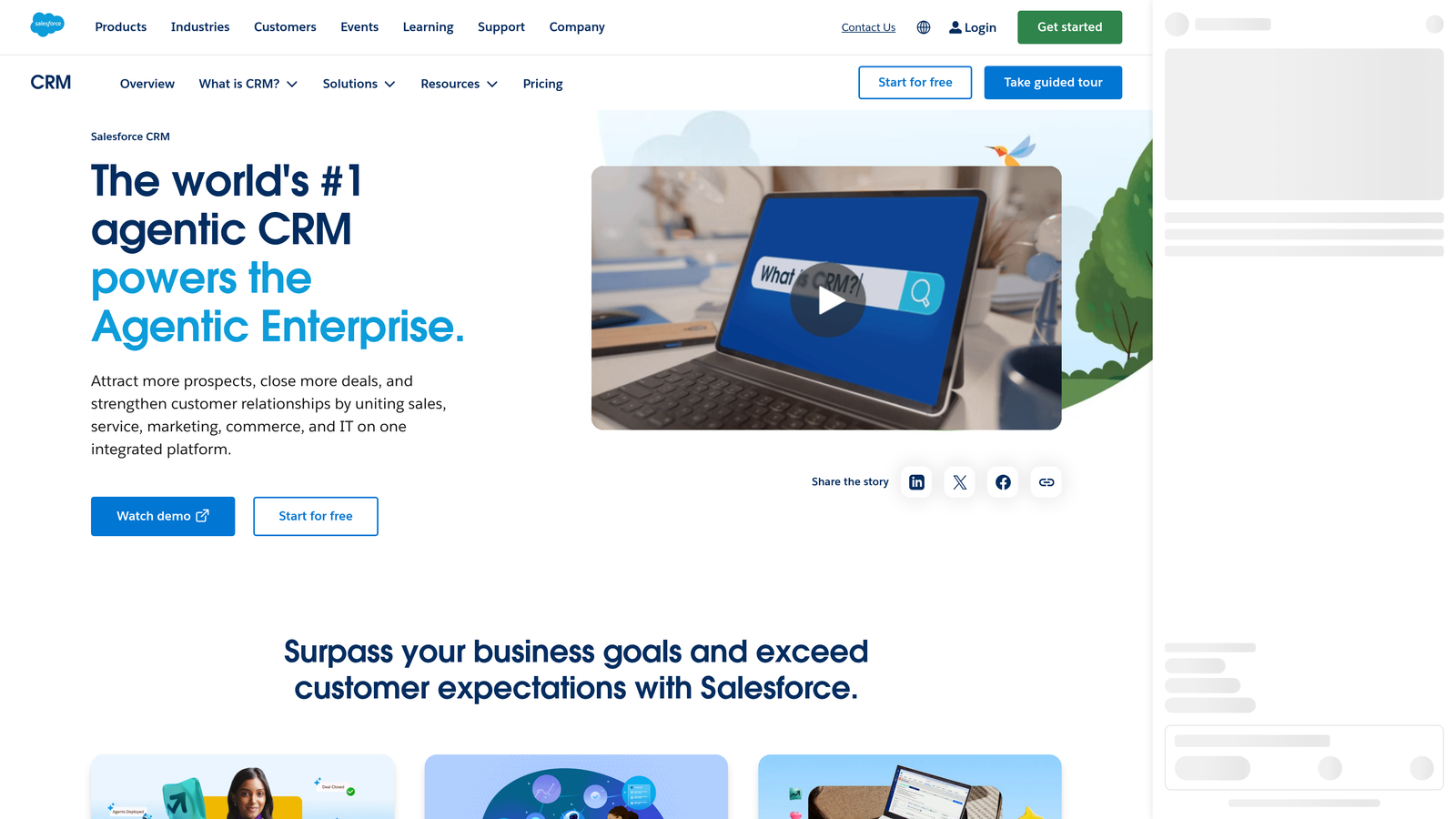
Salesforce Web-to-Lead is a built-in Salesforce feature that generates HTML forms feeding submissions directly into Salesforce Lead records with no integration layer required.
Where This Tool Shines
For teams running Salesforce as their CRM, Web-to-Lead solves the sync problem at the most fundamental level. There's no third-party form tool, no Zapier connection, and no delay. A form submission creates a Lead record in Salesforce immediately, with fields mapped directly to the Lead object.
The honest trade-off is design. Web-to-Lead generates basic HTML forms that require developer effort to style properly. If visual presentation and branded form experiences matter to your conversion strategy, you'll need to supplement it with a front-end layer.
Key Features
Instant Lead Record Creation: Submissions go directly to Salesforce Leads with no integration layer or sync delay.
Lead Assignment Rules: Automatically route new leads to the right rep or queue based on Salesforce assignment logic.
Direct Field Mapping: Form fields map cleanly to Salesforce Lead object fields, maintaining data integrity.
No Additional Cost: Included with all Salesforce Sales Cloud plans at no extra charge.
Best For
Salesforce-native sales and marketing teams where data integrity and CRM sync speed are the top priorities. Not suited for teams that need modern form design or built-in qualification logic without additional development work.
Pricing
Included with Salesforce Sales Cloud at no additional cost. Sales Cloud plans start at $25/user/month.
8. Calendly
Best for: Teams that want to capture and qualify leads during the meeting booking process
Calendly is a scheduling platform that doubles as a lead capture tool by embedding qualification questions directly into the meeting booking flow.
Where This Tool Shines
Calendly addresses a specific and often overlooked gap: the space between a lead expressing interest and actually booking a meeting. By embedding qualification questions inside the booking flow, you collect useful data at the moment of highest intent rather than asking for it separately in a follow-up email that may never get answered.
The routing forms feature is particularly valuable for teams with multiple reps or meeting types. A prospect answers a few questions during booking, and Calendly routes them to the right person automatically, eliminating a manual step that often causes delays.
Key Features
In-Flow Qualification: Collect qualification data during the booking process when leads are most engaged.
Routing Forms: Direct prospects to the right rep or meeting type based on their responses before they book.
CRM Sync: Integrates with Salesforce and HubSpot on paid plans to pass booking and qualification data downstream.
Reduced Time-to-Meeting: Compresses the gap between initial interest and a scheduled conversation.
Best For
Sales and demand generation teams where the primary bottleneck is converting interested leads into booked meetings. Works well as a complement to a primary form builder rather than a standalone capture solution.
Pricing
Free plan available with basic scheduling. Paid plans start at $10/seat/month on the Standard plan, with routing and CRM features on higher tiers.
9. Clearbit Capture
Best for: Demand gen teams that want shorter forms without sacrificing lead data quality
Clearbit Capture is an enrichment-first lead capture tool that identifies anonymous visitors and auto-fills form fields, allowing teams to shorten forms without losing the data they need.
Where This Tool Shines
Clearbit Capture attacks the disconnected lead problem from a different angle. Instead of improving how data flows between tools after submission, it improves the quality and completeness of data at the point of capture. By identifying visitors using IP and firmographic data, it can auto-fill company name, industry, employee count, and other fields, so a prospect only needs to fill in their name and email.
Shorter forms typically see better completion rates, and with enrichment running in the background, the CRM record that gets created is far more useful than a name-and-email submission alone. Following Clearbit's acquisition by HubSpot, this capability is increasingly integrated into the HubSpot ecosystem.
Key Features
Anonymous Visitor Identification: Uses IP and firmographic data to identify companies visiting your site before they fill out any form.
Auto-Enrichment: Automatically fills known data fields so prospects only need to provide what you don't already have.
Shorter Form Enablement: Reduces required fields without reducing the data quality of the resulting CRM record.
HubSpot Integration: Now embedded within HubSpot's platform following acquisition, making it accessible to HubSpot users.
Best For
Demand generation and growth teams focused on reducing form friction as a conversion lever. Particularly strong for B2B teams where firmographic data is critical for lead scoring and routing.
Pricing
Pricing is available through HubSpot and Clearbit's sales teams. Contact directly for current plans, as pricing has evolved post-acquisition.
Which Tool Is Right for Your Stack?
The right answer here depends on where your leads are actually getting lost, not which tool has the longest feature list.
If your biggest problem is that leads arrive in your CRM unqualified and your team is wasting time sorting through them, Orbit AI or Drift are your strongest options. Orbit AI handles this natively inside the form experience. Drift handles it through conversational chat on your site. Both eliminate the qualification gap, though Orbit AI is more accessible for teams that aren't at enterprise scale.
If the core issue is that your forms and CRM simply don't sync reliably, HubSpot Forms and Salesforce Web-to-Lead are the most direct fixes. Both eliminate the middleware layer entirely, which is where most sync failures originate.
For teams managing a multi-tool stack that works reasonably well but has gaps between the pieces, Zapier Interfaces or Jotform's integration library give you connective tissue without requiring a full rebuild. Jotform is better when you need native integrations at scale. Zapier Interfaces is better when the automation logic between tools is the real problem.
If your conversion problem starts earlier, at the form itself, Typeform's conversational format addresses abandonment directly. And if you're losing data quality because your forms are too long, Clearbit Capture's enrichment approach lets you shorten them without the trade-off. Calendly rounds out the picture for teams where the gap between interest and booked meeting is the specific bottleneck.
Start by auditing where leads are actually dropping off in your current workflow. The tool that solves your specific gap will outperform a more feature-rich tool that solves a different problem. If you're building a modern lead capture workflow from scratch and want capture, qualification, and routing in a single platform, start building free forms today and see how intelligent form design can close the gaps your current stack is leaving open.


