

Not every lead deserves equal attention, and the cost of treating them like they do is real: wasted sales cycles, burned-out reps, and a pipeline full of noise. Real-time lead qualification tools solve this by scoring, routing, and filtering leads the moment they engage, so your team focuses only on prospects worth pursuing.
Whether you're capturing leads through forms, chat, CRM enrichment, or website behavior, the right tool can mean the difference between a bloated spreadsheet and a high-converting pipeline. The tools in this guide were chosen for their automation depth, integration ecosystems, and fit for high-growth SaaS and B2B teams. We've also included a decision guide at the end, because the best tool for a 10-person startup looks very different from what a 200-person revenue team needs.
1. Orbit AI
Best for: High-growth SaaS and B2B teams that want qualification built directly into the form experience.
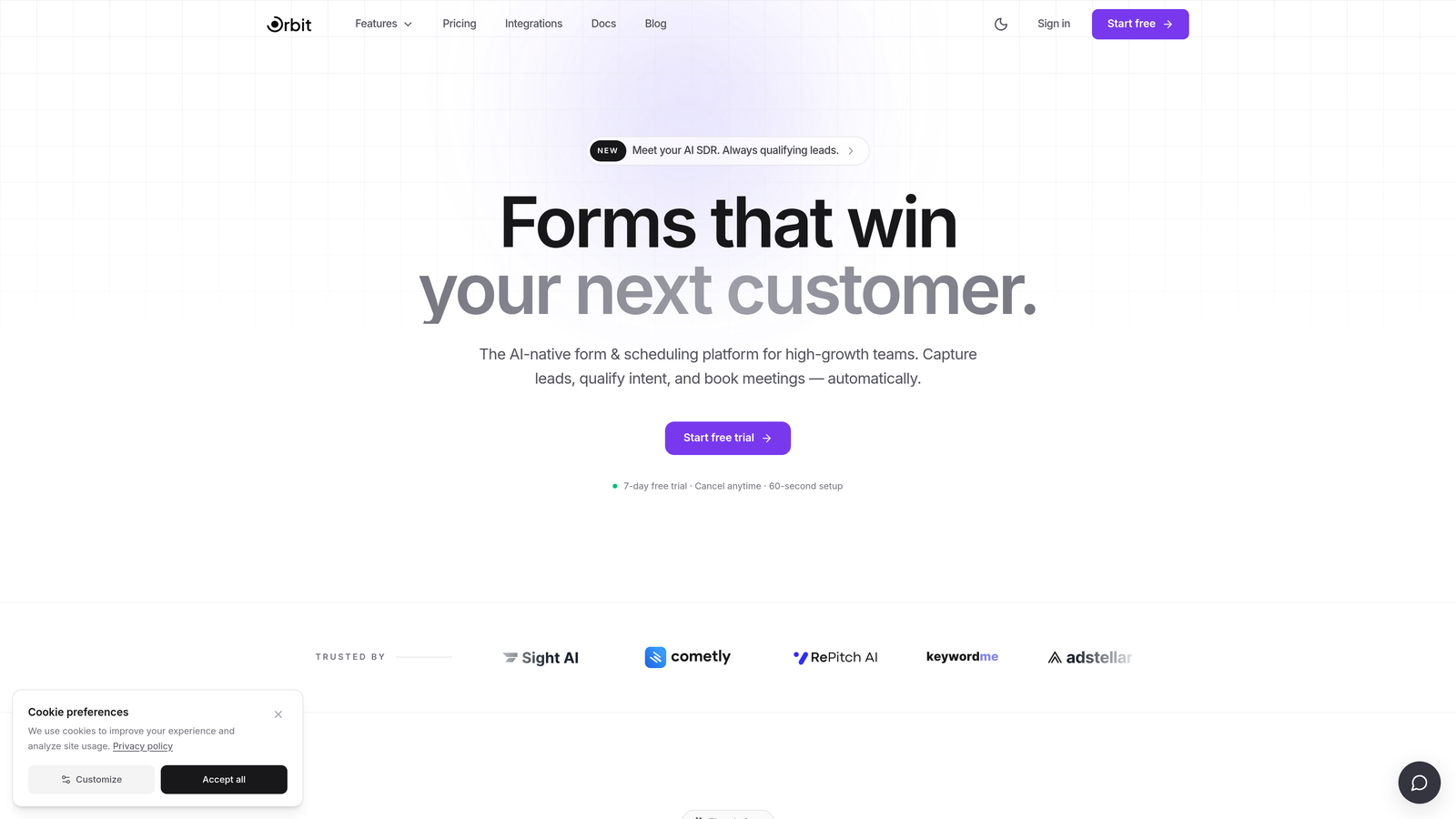
Orbit AI is an AI-powered form builder with built-in real-time lead qualification, conditional logic routing, and conversion-optimized design.
Where This Tool Shines
Most qualification tools work downstream, scoring leads after they've already entered your CRM. Orbit AI takes a different approach: qualification happens at the point of capture, inside the form itself. By the time a lead hits your pipeline, it's already been scored, routed, and filtered based on the answers they provided.
This matters because it reduces noise at the source. Instead of importing hundreds of unqualified contacts and relying on your CRM to sort them out, Orbit AI's conditional logic and dynamic branching ensure that only leads meeting your criteria move forward, and they go to the right rep or workflow automatically.
Key Features
AI-Driven Lead Scoring: Scores leads at the moment of form submission based on their responses, before they ever reach your CRM.
Conditional Logic and Dynamic Branching: Forms adapt in real time based on answers, asking only the most relevant qualification questions and filtering out poor-fit leads early.
Smart Routing: Routes leads to different reps, teams, or workflows based on qualification signals like company size, use case, and budget indicators.
Conversion-Optimized Form Design: Modern, low-friction UX designed to maximize completion rates without sacrificing qualification depth.
Native CRM and Marketing Automation Integrations: Connects with major CRMs and marketing platforms so qualified leads flow directly into existing workflows.
Best For
Orbit AI is an excellent fit for SaaS and B2B teams that rely heavily on inbound form submissions for lead generation. If your primary capture mechanism is a demo request, contact form, or trial signup, having qualification logic embedded at that layer gives you a significant advantage over teams scoring leads after the fact.
Pricing
Check orbitforms.ai for current pricing tiers, as plans are updated regularly to reflect new features and team sizes.
2. HubSpot
Best for: Teams already in the HubSpot ecosystem looking for native predictive scoring and workflow automation.
HubSpot is a CRM platform with native predictive lead scoring, workflow automation, and Breeze Intelligence enrichment built in.
Where This Tool Shines
HubSpot's strength is integration depth. Because scoring, enrichment, workflows, and CRM data all live in the same platform, qualification can trigger immediate downstream actions without any third-party glue. A lead crosses a score threshold and a task gets created, a sequence gets enrolled, and a rep gets notified, all automatically.
The addition of Breeze Intelligence (formerly Clearbit) makes this even more powerful. Inbound leads get enriched with firmographic data in real time, so your scoring model has more signal to work with right away, even if the prospect only filled out two fields on your form.
Key Features
Predictive Lead Scoring: Uses historical CRM and deal data to surface leads most likely to convert, with scores updated continuously.
Workflow Automation: Score changes trigger automated rep notifications, task creation, and sequence enrollment in real time.
Breeze Intelligence Enrichment: Appends company size, industry, and other firmographic data to inbound leads automatically.
Cross-Hub Integration: Scoring data flows seamlessly across HubSpot's marketing, sales, and service hubs.
Best For
Teams already running their marketing and sales operations inside HubSpot will get the most value here. If you're evaluating HubSpot primarily for lead scoring, the ecosystem lock-in is worth considering carefully.
Pricing
Predictive lead scoring is available on Professional and Enterprise plans. Check hubspot.com for current pricing, as tiers and feature availability change.
3. Drift
Best for: Teams with meaningful website traffic that want to qualify and convert high-intent visitors through conversational AI.
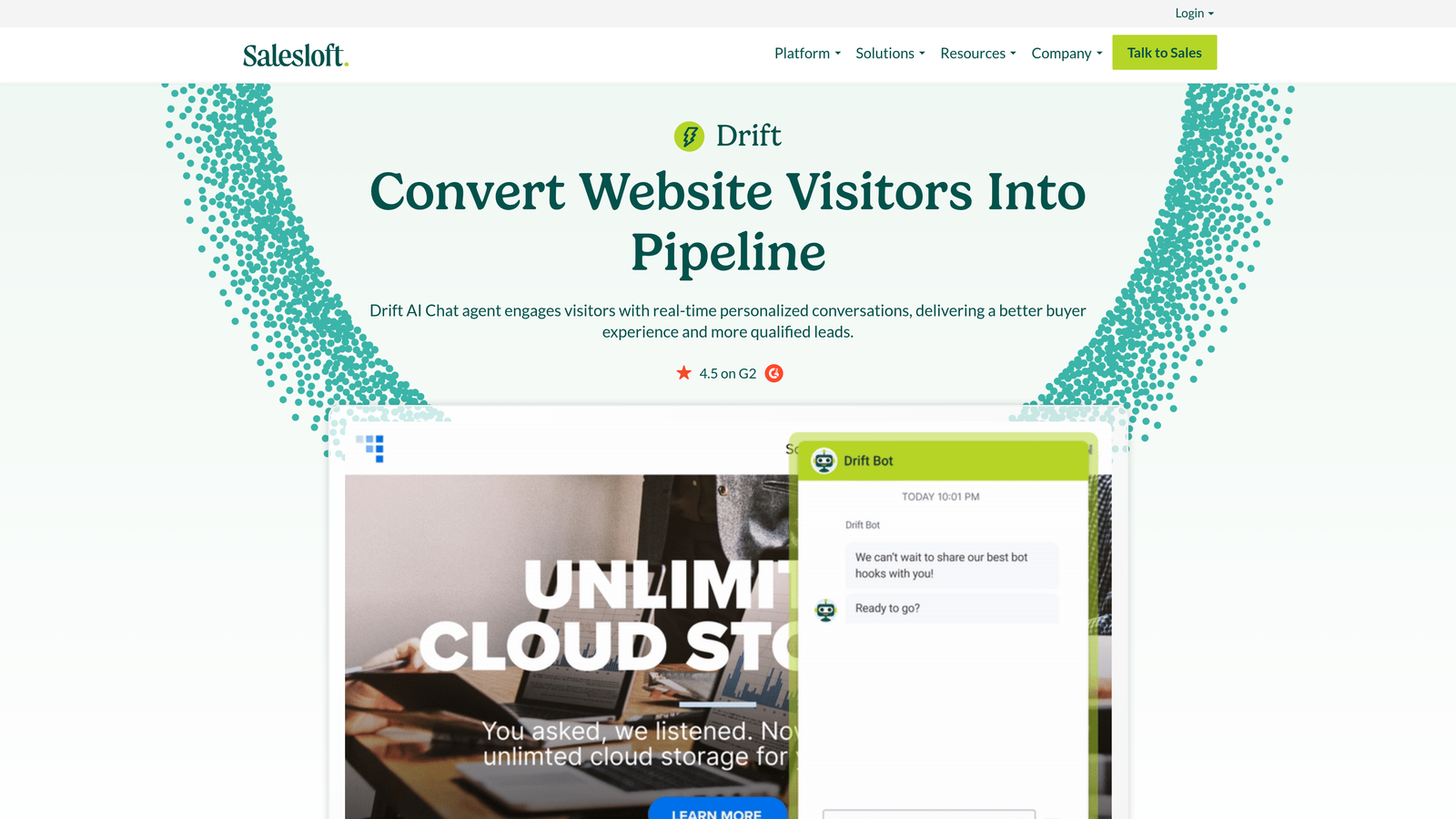
Drift is a conversational AI platform that qualifies website visitors in real time through intelligent chat flows and instant rep routing.
Where This Tool Shines
Drift excels at capturing intent in the moment. When a high-value prospect lands on your pricing page at 2pm on a Tuesday, Drift can identify their company using firmographic data, serve them a tailored chat experience, ask a few qualification questions, and route them to an available rep, all within minutes. That kind of speed-to-conversation is difficult to replicate with forms and email follow-up alone.
The platform's AI chatbots handle the initial qualification layer, so reps only enter the conversation when a lead has already cleared a threshold. This protects rep time without sacrificing the human touch for high-value prospects.
Key Features
AI Qualification Chatbots: Ask BANT-style questions and route high-intent visitors to live reps based on their responses.
Real-Time Visitor Identification: Uses firmographic data to identify company and industry before a visitor says a word.
CRM and MAP Integrations: Connects natively with Salesforce, HubSpot, Marketo, and other major sales tools.
In-Chat Meeting Booking: High-intent visitors can book a meeting without ever leaving the chat window.
Best For
Drift is best suited for teams with dedicated SDR functions and enough website traffic to justify a conversational layer. Smaller teams or those with low traffic volume may find the investment harder to justify.
Pricing
Enterprise-focused with pricing available on request. Visit drift.com to connect with their sales team.
4. Clearbit (Breeze Intelligence)
Best for: Teams that want to enrich inbound leads with firmographic data instantly, without adding form fields.
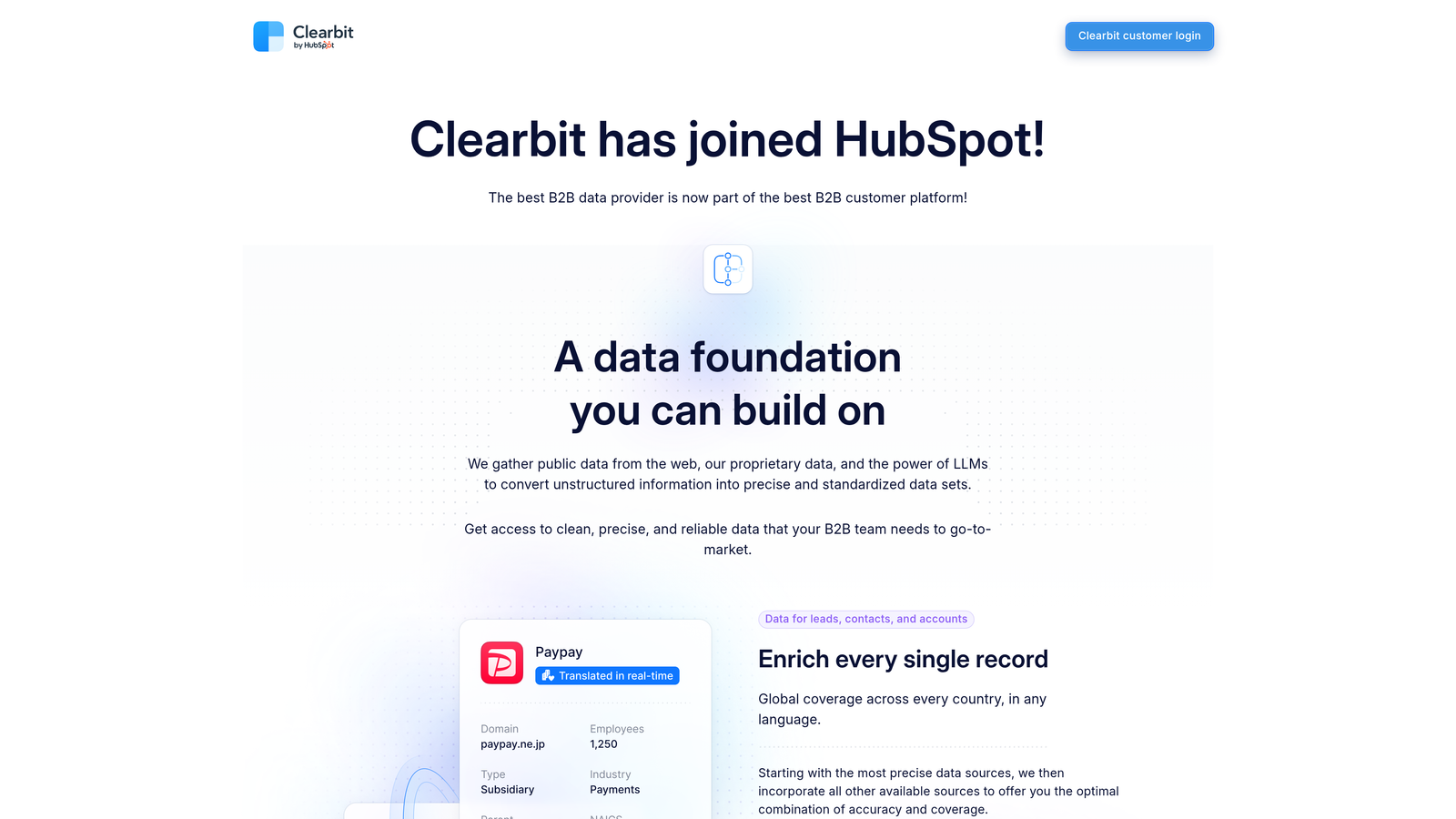
Clearbit, now available natively inside HubSpot as Breeze Intelligence, is a data enrichment platform that appends company and contact data to leads in real time.
Where This Tool Shines
There's a fundamental tension in lead forms: the more qualification data you collect, the more friction you create, and the more completions you lose. Clearbit resolves this by enriching leads automatically using just an email address. Company size, industry, funding stage, tech stack, and more get appended in seconds, without the prospect having to self-report anything.
This enriched data feeds directly into scoring models, allowing teams to segment and prioritize leads with much more precision than form data alone would allow. It's particularly effective when paired with a scoring model in HubSpot or Salesforce.
Key Features
Real-Time Enrichment: Appends firmographic and technographic data to leads the moment they're captured.
Form Friction Reduction: Eliminates the need to ask prospects for company size, industry, or role, improving completion rates.
HubSpot Native Integration: Available as Breeze Intelligence directly inside HubSpot for seamless enrichment within existing workflows.
Standalone API: Available for teams not on HubSpot who want to build custom enrichment pipelines.
Best For
Teams running high-volume inbound programs who want richer lead data without sacrificing form conversion rates. Works best as a complement to a scoring tool rather than a standalone qualification solution.
Pricing
Bundled with select HubSpot plans; standalone API pricing is available at clearbit.com.
5. Salesforce Einstein Lead Scoring
Best for: Enterprise teams on Salesforce with rich historical CRM data and complex multi-segment scoring needs.
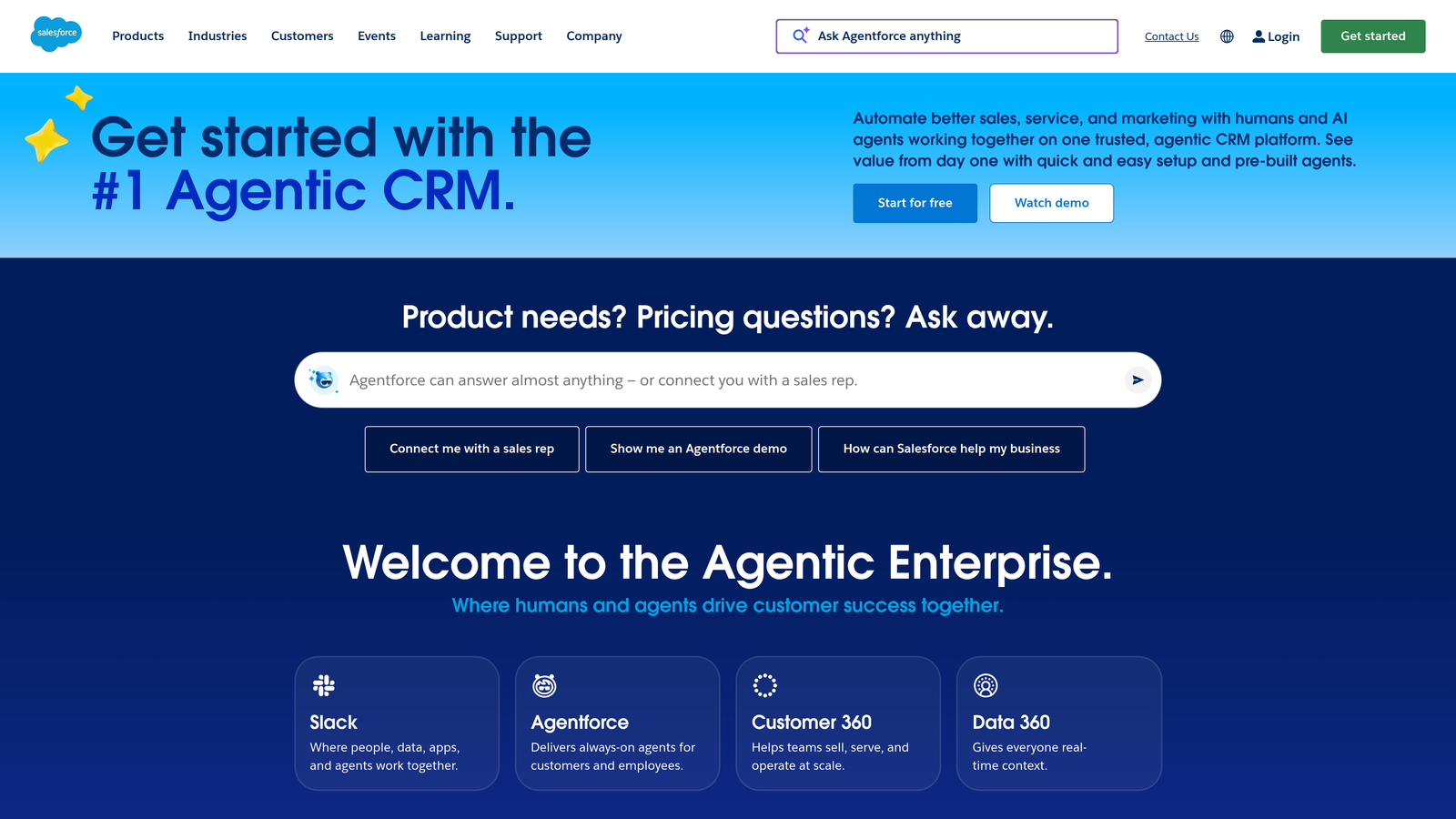
Salesforce Einstein Lead Scoring is an AI-powered scoring feature built natively into Salesforce Sales Cloud.
Where This Tool Shines
Einstein's advantage is that it learns from your own data. Rather than applying a generic scoring model, it trains on your historical won and lost deals to identify the patterns that actually predict conversion in your specific business. As your CRM data grows, the model improves, making it increasingly accurate over time.
Because scoring is embedded directly in Salesforce lead and contact views, reps see scores without switching tools or pulling reports. This reduces friction in the daily workflow and makes scoring more likely to actually influence rep behavior.
Key Features
Custom ML Models: Trained on your historical Salesforce data, not generic industry benchmarks.
Dynamic Score Updates: Scores adjust automatically as lead record data changes, keeping prioritization current.
Native Salesforce Embedding: Scores appear directly in lead and contact views without additional tooling.
Multi-Segment Support: Supports custom scoring models for different business lines, geographies, or product segments.
Best For
Enterprise sales teams with established Salesforce implementations and a meaningful volume of historical deal data. Teams newer to Salesforce or with thin historical data will find the model less effective until more records accumulate.
Pricing
Included in Salesforce Sales Cloud Enterprise and above. Check salesforce.com for current plan details.
6. Intercom
Best for: SaaS companies with free trial or freemium models that want to qualify leads based on in-product behavior.
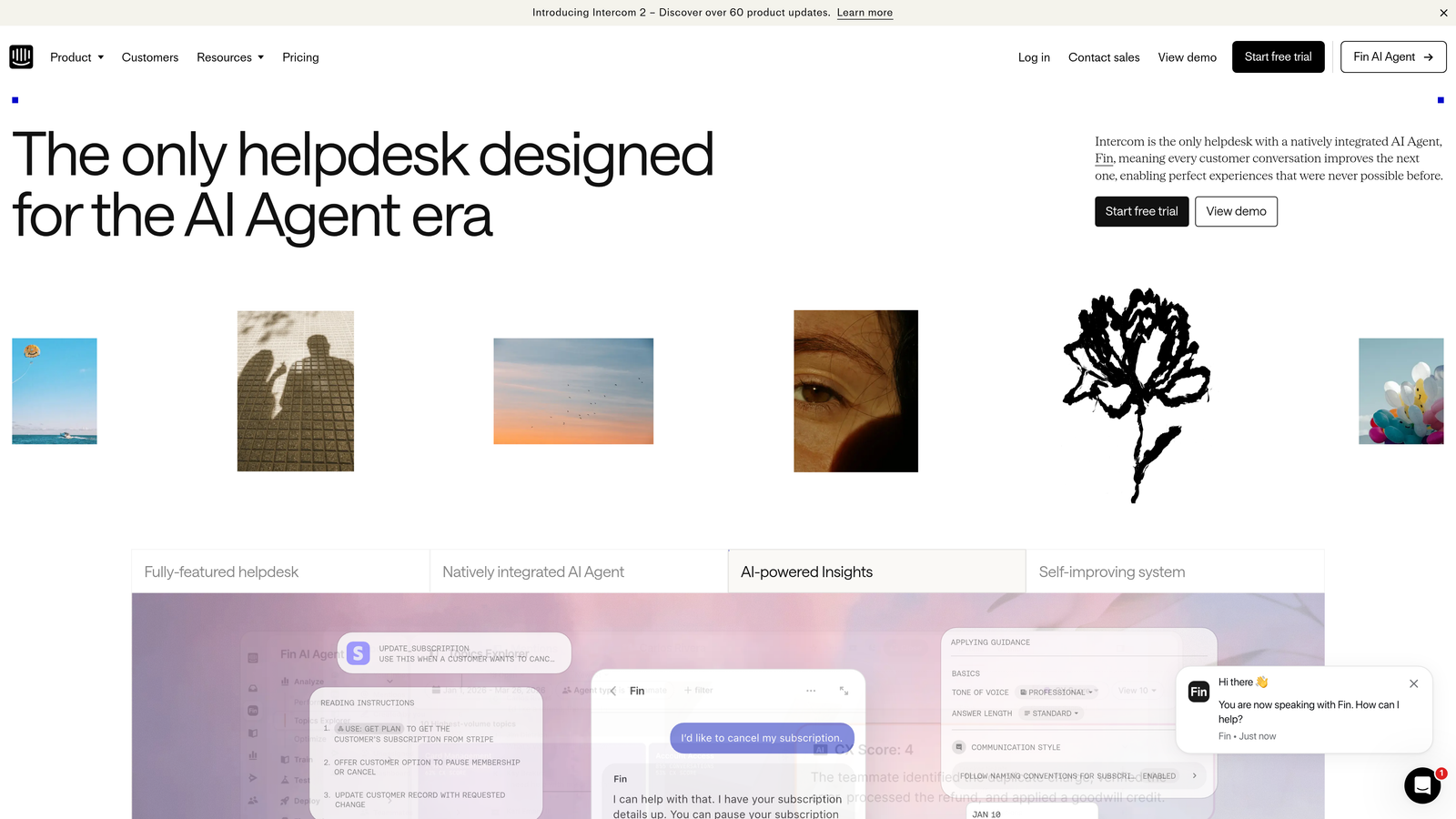
Intercom is a customer messaging platform that qualifies leads based on behavioral triggers, in-app actions, and on-site engagement.
Where This Tool Shines
Intercom's qualification logic is behavioral, not just form-based. It watches what users actually do: which pages they visit, how long they spend, which features they activate, and uses those signals to determine intent. For SaaS products where product engagement is the clearest indicator of buying readiness, this is a significant advantage over tools that rely solely on firmographic fit.
The platform's routing rules allow teams to escalate high-intent users to sales at exactly the right moment, whether that's when someone visits the pricing page three times or activates a key feature during a trial.
Key Features
Behavior-Triggered Qualification: Bots activate based on pages visited, time on site, and specific in-app actions.
Custom Routing Rules: Escalate high-intent users to available sales reps based on behavioral thresholds.
Product Usage Signals: Qualification logic incorporates freemium and trial behavior for more accurate intent scoring.
CRM and CDP Integrations: Connects with Salesforce, HubSpot, and Segment to push qualified leads into existing workflows.
Best For
SaaS companies running freemium or free trial acquisition models where product engagement is the primary qualification signal. Less suited for teams with purely outbound or form-driven lead flows.
Pricing
Tiered pricing based on features and usage. Check intercom.com for current plans.
7. MadKudu
Best for: Product-led growth companies that need to identify which free or trial users are most likely to convert to paid.
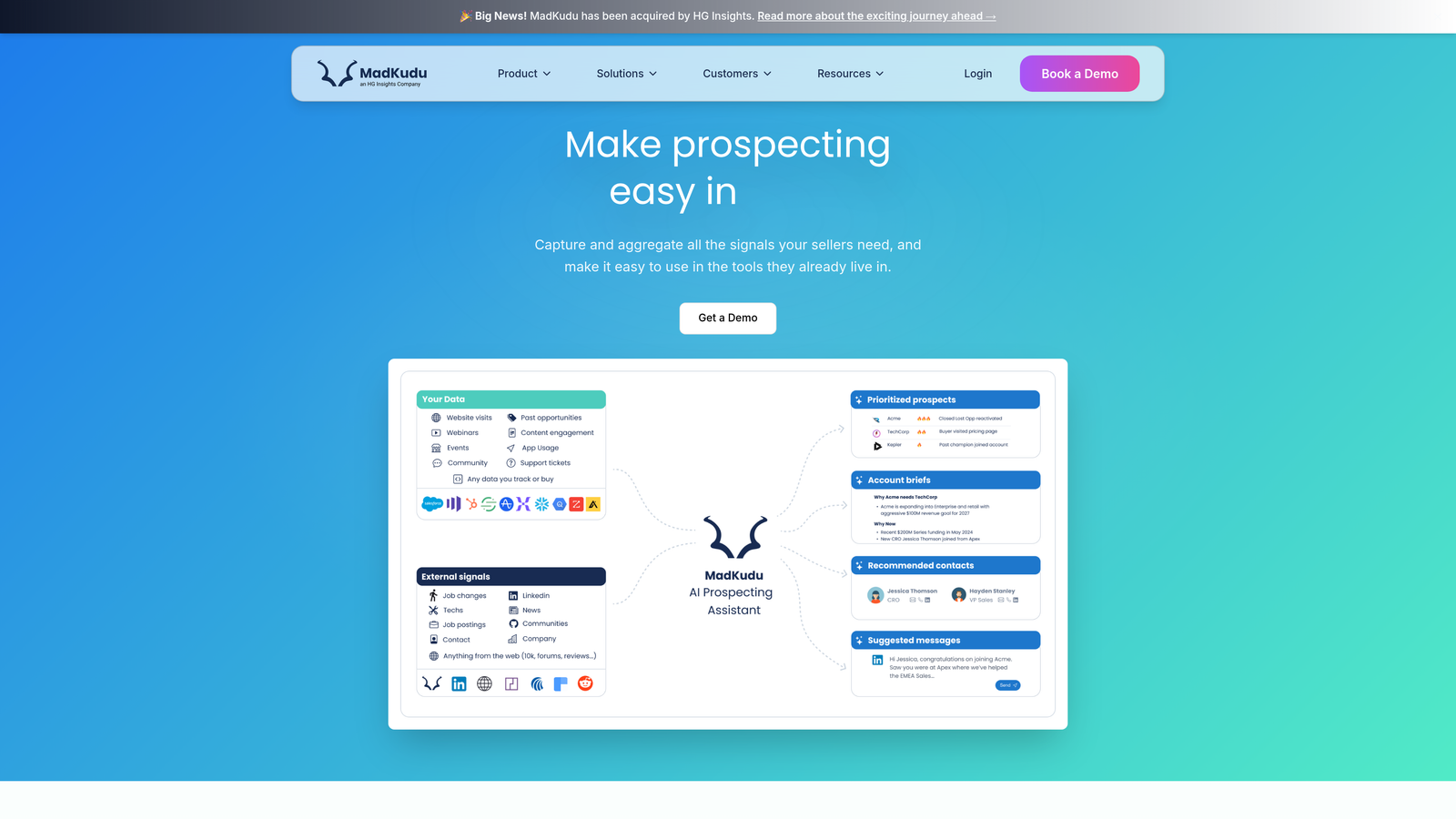
MadKudu is a predictive lead scoring platform purpose-built for PLG companies, combining product usage, firmographic, and CRM data into a unified real-time score.
Where This Tool Shines
In a product-led growth model, the traditional lead scoring playbook breaks down. Firmographic fit matters, but a well-funded company that never activates a key feature is worth less than a smaller company whose team is deeply engaged with the product. MadKudu was built to handle this complexity, blending product signals with firmographic data to produce a score that reflects both fit and intent.
The result is a prioritized list of trial or freemium users that sales should contact, ranked by their actual likelihood to convert, not just their company size or job title.
Key Features
Unified Scoring Model: Combines product engagement, firmographic fit, and CRM history into a single conversion probability score.
Trial-to-Paid Identification: Surfaces which free users show the strongest signals of converting to a paid plan.
Real-Time Score Pushes: Sends updated scores to Salesforce, HubSpot, Segment, and other platforms as signals change.
PLG-Native Architecture: Built specifically for product-led motions where usage data is the primary qualification input.
Best For
PLG-focused SaaS companies with meaningful product usage data and a sales assist motion. Teams without product instrumentation or usage data will find limited value here.
Pricing
Available on request at madkudu.com.
8. Chili Piper
Best for: Inbound revenue teams that want to qualify form submissions and book meetings at the moment of peak intent.
Chili Piper is an inbound lead routing and meeting scheduling platform that qualifies form submissions in real time and enables instant meeting booking.
Where This Tool Shines
Chili Piper sits at the intersection of qualification and conversion. The moment a prospect submits a demo request form, Chili Piper qualifies their responses, routes them to the right rep based on territory or account ownership, and presents a calendar to book immediately. This eliminates the follow-up lag that kills conversion rates on high-intent inbound leads.
For teams that have already invested in top-of-funnel lead generation, Chili Piper is often the fastest way to improve inbound conversion without changing the acquisition strategy at all.
Key Features
Real-Time Form Qualification: Evaluates form submissions against qualification criteria and routes immediately to the appropriate rep.
Instant Meeting Booking: Prospects book a meeting directly after submitting the form, at the moment of highest intent.
Flexible Routing Logic: Supports territory-based, account ownership, and round-robin routing to match your sales structure.
CRM and MAP Integrations: Connects with Salesforce, HubSpot, Marketo, and Pardot.
Best For
Inbound-heavy B2B teams with defined sales territories and a demo or consultation-driven sales motion. Particularly effective for teams where meeting booking speed is a known conversion bottleneck.
Pricing
Per-user pricing model. Check chilipiper.com for current tiers.
9. 6sense
Best for: Enterprise ABM teams that want to identify and qualify accounts showing buying intent before they ever visit your site.
6sense is an account-based marketing and intent data platform that qualifies accounts based on third-party buying signals across the web.
Where This Tool Shines
6sense operates earlier in the buying cycle than most tools on this list. Rather than qualifying leads after they raise their hand, it identifies accounts that are researching solutions like yours, consuming relevant content, and showing buying behavior, often weeks before they ever visit your site or fill out a form. This gives sales and marketing teams a significant head start on accounts that are genuinely in-market.
The platform's AI scoring combines intent signals, account fit, and engagement history to produce account-level and contact-level scores that tell your team where to focus outbound effort and ad spend.
Key Features
Third-Party Intent Signals: Aggregates buying signals from across the web to identify in-market accounts before they engage directly.
AI Account Scoring: Scores accounts on fit, intent, and engagement to surface the highest-priority targets.
Contact-Level Qualification: Identifies specific contacts within target accounts who are most engaged with the buying process.
Enterprise Integrations: Connects with Salesforce, HubSpot, LinkedIn, and major ad platforms for activation across channels.
Best For
Enterprise B2B teams running named account strategies with longer sales cycles. The investment in 6sense is most justified when your average deal size is large enough to warrant proactive outbound based on intent signals.
Pricing
Enterprise pricing available on request at 6sense.com.
Which Tool Is Right for Your Team?
The best real-time lead qualification tool depends entirely on where in the funnel your biggest qualification gap exists. Here's a quick decision guide by use case.
Form-based lead capture: If your primary acquisition channel is inbound forms, demo requests, or trial signups, start with Orbit AI. Qualifying leads at the point of capture, before they reach your CRM, eliminates noise at the source and gives your team a cleaner pipeline from day one.
CRM enrichment and scoring: If you're running a large inbound volume and need richer data without adding form friction, Clearbit (Breeze Intelligence) paired with HubSpot's predictive scoring is a strong combination. For Salesforce shops, Einstein Lead Scoring is the natural fit, especially with mature historical data.
Conversational qualification: If your website traffic is significant and you have an SDR team ready to engage in real time, Drift delivers strong results. For SaaS products with in-app engagement, Intercom's behavioral triggers are worth exploring.
Product-led growth: MadKudu was built for exactly this motion. If you're running a freemium or trial model and need to identify which users to hand off to sales, it's the most purpose-built option on this list.
Enterprise ABM: 6sense is in a category of its own for teams running named account strategies with the budget and sales motion to act on intent data at scale.
Inbound conversion speed: Chili Piper solves the follow-up lag problem. If qualified leads are slipping through because of slow response times, it's often the fastest lever to pull.
For teams that want qualification built directly into the form experience, with AI-driven scoring, conditional routing, and a modern UX designed to convert, start building free forms today and see how Orbit AI can turn your top-of-funnel into a precision qualification engine.


