

Your sales team is drowning in admin work. Between manual data entry, lead qualification, scheduling follow-ups, and updating CRM records, reps spend less than 30% of their time actually selling. The right sales productivity software changes that equation entirely—automating the busywork so your team can focus on closing deals.
But with hundreds of tools flooding the market, choosing the right stack feels overwhelming. We've tested and compared the top sales productivity platforms across categories—from AI-powered lead capture to pipeline automation—to help you find the tools that match your workflow. Whether you're a lean startup or scaling enterprise team, this comparison breaks down what each tool does best, who it's built for, and what you'll pay.
1. Orbit AI
Best for: Teams losing qualified leads to slow follow-up and manual qualification processes
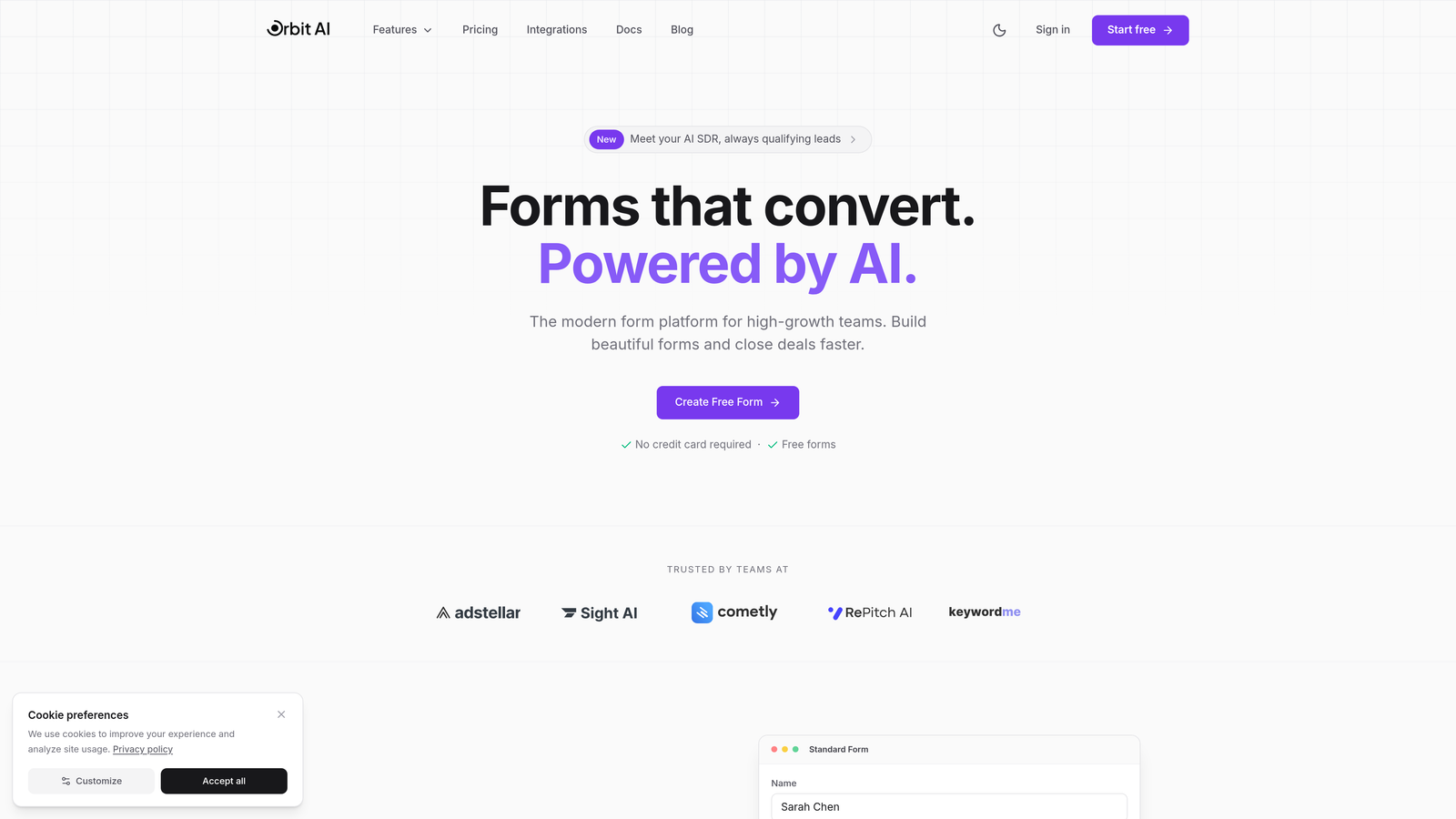
Orbit AI is an AI-powered form builder that qualifies leads through intelligent, conversational forms before they reach your sales team.
Where This Tool Shines
The platform solves a critical bottleneck most teams face: the gap between lead capture and sales contact. Traditional forms dump unqualified contacts into your CRM, forcing reps to waste hours sorting through tire-kickers.
Orbit AI flips this model by embedding qualification logic directly into the form experience. AI agents ask contextual follow-up questions based on responses, scoring leads in real-time and routing only qualified prospects to your sales team. This means your reps spend time on conversations that actually matter.
Key Features
AI-Powered Lead Qualification: Intelligent agents qualify leads during form completion, asking contextual questions based on prospect responses.
Conversion-Optimized Templates: Pre-built form designs specifically created for high-growth teams focused on pipeline velocity.
Native CRM Integrations: Direct connections to HubSpot, Salesforce, Slack, and major CRMs eliminate manual data transfer.
Qualification Analytics: Dashboard showing qualification rates, conversion metrics, and which questions identify best-fit prospects.
Workflow Automation: Trigger sequences, notifications, and routing based on qualification scores without manual intervention.
Best For
High-growth teams tired of chasing unqualified leads. Particularly valuable if your sales team complains about lead quality or spends excessive time on discovery calls that go nowhere. Works best for B2B companies with clear qualification criteria.
Pricing
Free tier available for teams getting started. Paid plans start at competitive rates designed for growing teams that need advanced qualification logic and integrations.
2. HubSpot Sales Hub
Best for: Teams wanting an all-in-one CRM with built-in engagement tools
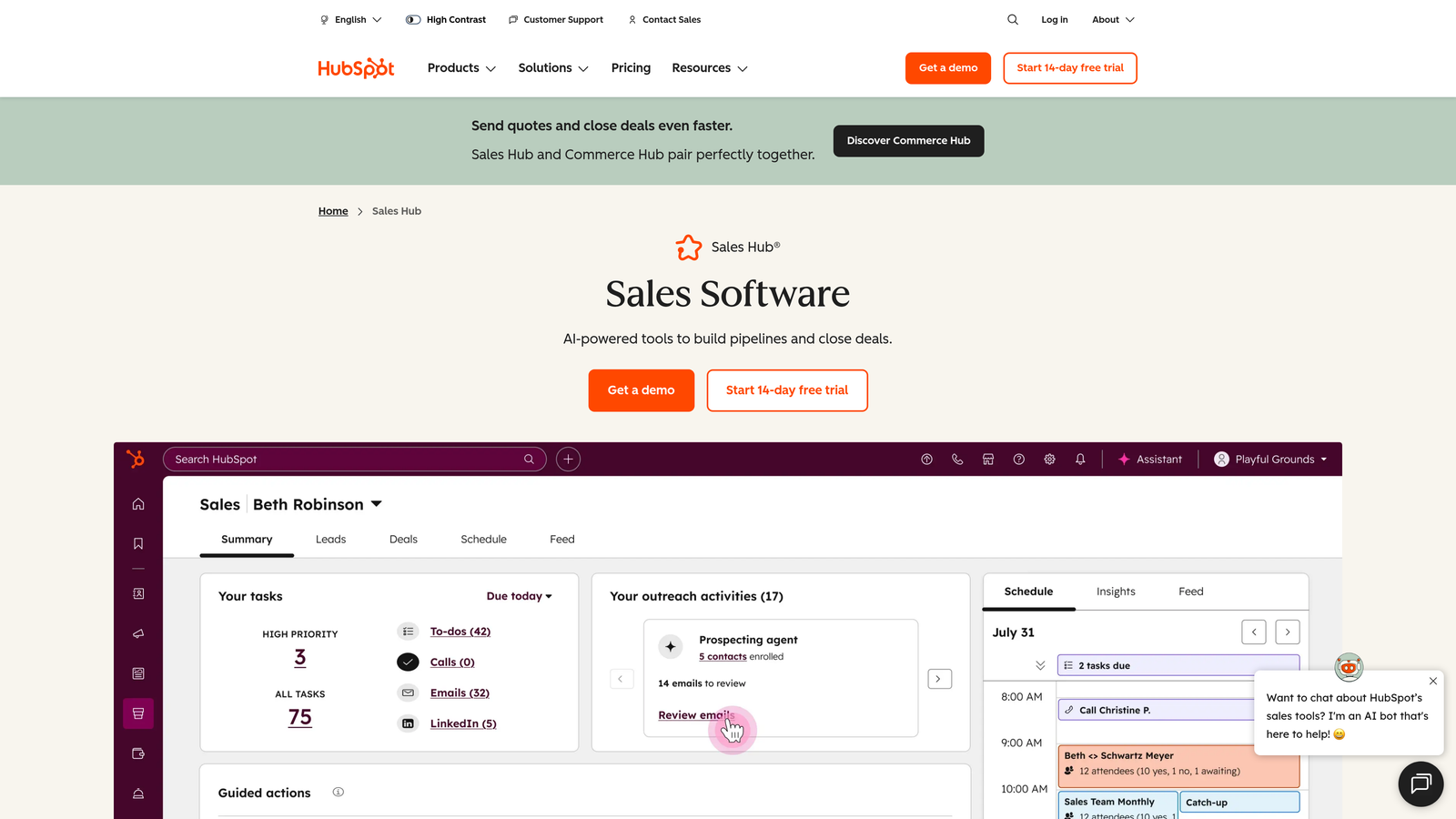
HubSpot Sales Hub is a comprehensive CRM platform with built-in email sequences, meeting scheduling, and pipeline management.
Where This Tool Shines
HubSpot excels at eliminating tool sprawl. Instead of stitching together separate platforms for CRM, email, scheduling, and reporting, everything lives in one interface. This unified approach means reps don't lose context switching between tabs.
The platform particularly shines for teams already using HubSpot's marketing tools. The native connection between marketing campaigns and sales follow-up creates visibility that's nearly impossible to replicate with disconnected systems.
Key Features
Email Tracking and Sequences: See when prospects open emails and automatically send follow-ups based on engagement.
Meeting Scheduler: Calendar integration lets prospects book time directly without back-and-forth emails.
Pipeline Management: Visual deal stages with drag-and-drop movement and customizable fields.
Sales Playbooks: Guided selling frameworks that walk reps through qualification questions and objection handling.
Marketing Hub Integration: Native connection showing which campaigns influenced each deal.
Best For
Small to mid-sized teams that value simplicity over deep customization. Ideal if you're already in the HubSpot ecosystem or want to avoid managing multiple vendor relationships. Less suitable for enterprise teams needing complex territory management.
Pricing
Free CRM available with basic features. Sales Hub Starter at $20/month/seat adds sequences and automation. Professional at $100/month/seat unlocks playbooks and advanced reporting.
3. Salesforce Sales Cloud
Best for: Enterprise teams requiring deep customization and complex workflows
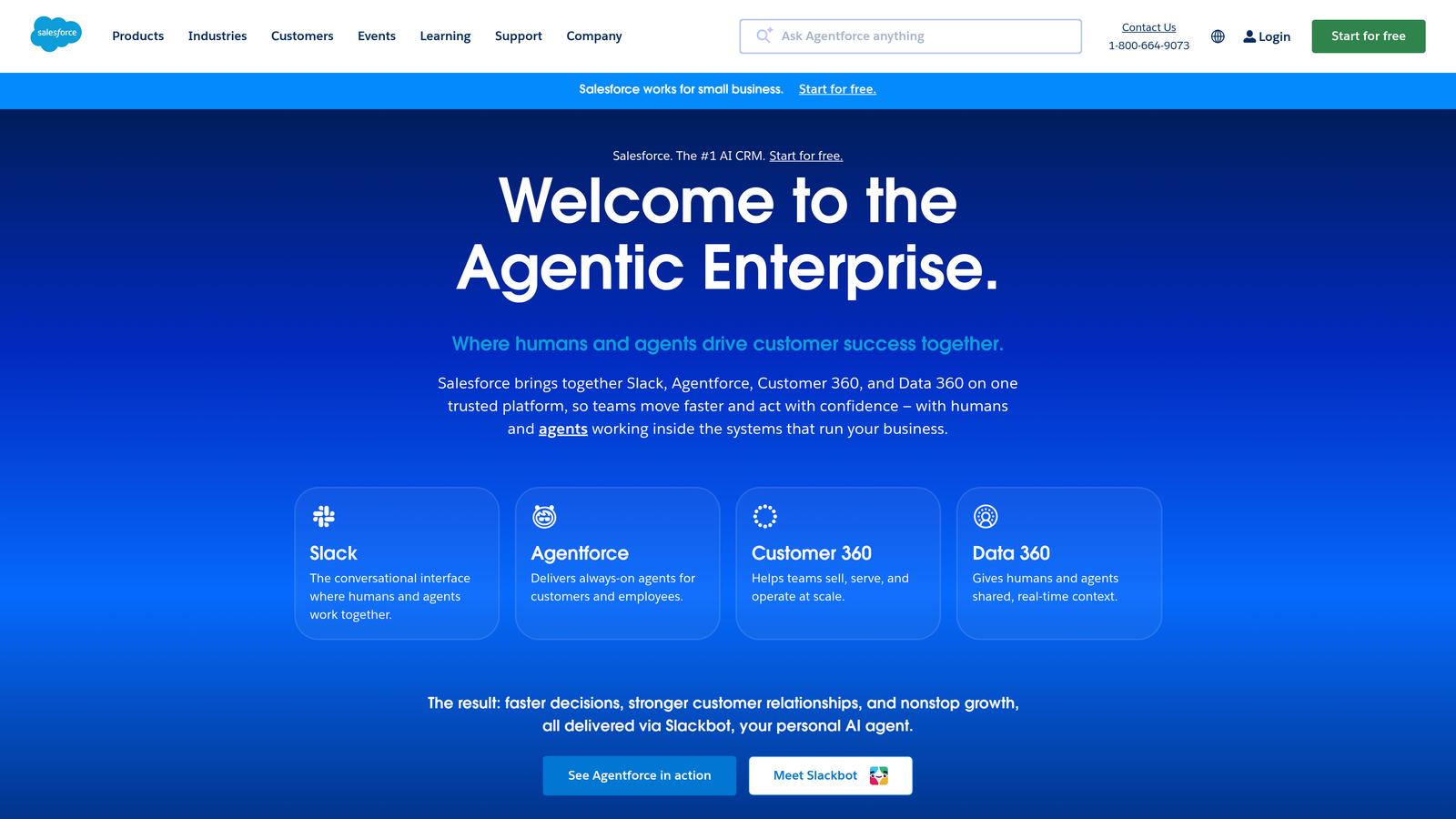
Salesforce Sales Cloud is an enterprise CRM with Einstein AI for forecasting, automation, and extensive customization capabilities.
Where This Tool Shines
Salesforce dominates when you need the CRM to bend to your process rather than forcing your team into a pre-built workflow. The platform's customization depth means you can model virtually any sales motion—from simple transactional deals to multi-year enterprise cycles.
Einstein AI brings predictive intelligence to pipeline management. The system analyzes historical patterns to score leads, forecast close dates, and surface at-risk deals before they slip. This intelligence layer becomes increasingly valuable as your data volume grows.
Key Features
Einstein AI Lead Scoring: Predictive models identify which leads are most likely to convert based on historical patterns.
Custom Objects and Workflows: Build entirely custom data models and automation to match your unique sales process.
Advanced Reporting: Dashboards with drill-down capabilities and custom report builders for any metric.
AppExchange Marketplace: Thousands of pre-built integrations and add-ons extending platform capabilities.
Territory Management: Sophisticated rules for assigning accounts and managing quotas across complex team structures.
Best For
Enterprise organizations with dedicated Salesforce administrators. Best suited for teams selling complex products with long sales cycles. The learning curve and implementation time make it overkill for small teams with straightforward processes.
Pricing
Essentials at $25/user/month for basic CRM. Professional at $80/user/month adds workflow automation. Enterprise at $165/user/month includes advanced customization and Einstein AI features.
4. Outreach
Best for: High-volume outbound teams running multi-channel sequences
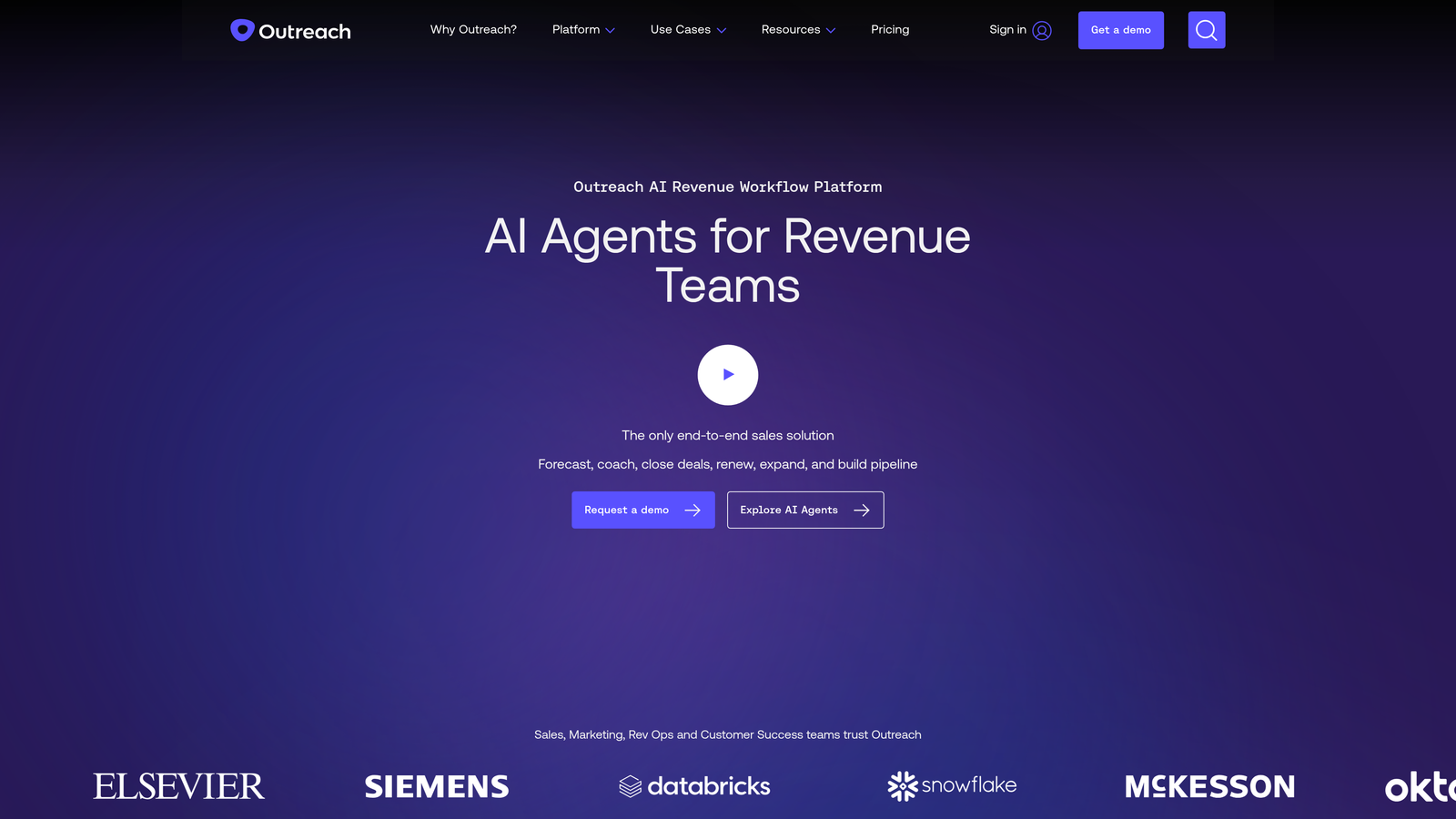
Outreach is a sales engagement platform for orchestrating multi-channel sequences across email, phone, and social.
Where This Tool Shines
Outreach transforms chaotic outbound motions into systematic, measurable campaigns. Instead of reps manually tracking who to call and when, the platform queues up the next action based on prospect behavior and sequence rules.
The A/B testing capabilities set Outreach apart from simpler sequence tools. You can test subject lines, messaging angles, and call scripts at scale, then automatically shift traffic to winning variants. This optimization loop compounds over time as your team learns what resonates.
Key Features
Multi-Step Sequences: Automated workflows combining email, calls, LinkedIn touches, and manual tasks.
A/B Testing: Split test messaging, timing, and channels to optimize conversion rates.
Sales Dialer: Built-in calling with automatic logging and recording for coaching.
Performance Analytics: Rep scorecards showing activity levels, response rates, and conversion metrics.
CRM Sync: Bidirectional sync with Salesforce and other platforms keeps data consistent.
Best For
Inside sales teams doing high-volume outbound prospecting. Particularly valuable for SDR teams that need to maintain consistent activity levels and track performance. Less relevant for account executives focused on inbound deals or relationship selling.
Pricing
Custom pricing based on team size and features. Standard plans typically start around $100/user/month, with enterprise packages including advanced analytics and support.
5. Gong
Best for: Teams wanting to level up call performance through conversation intelligence
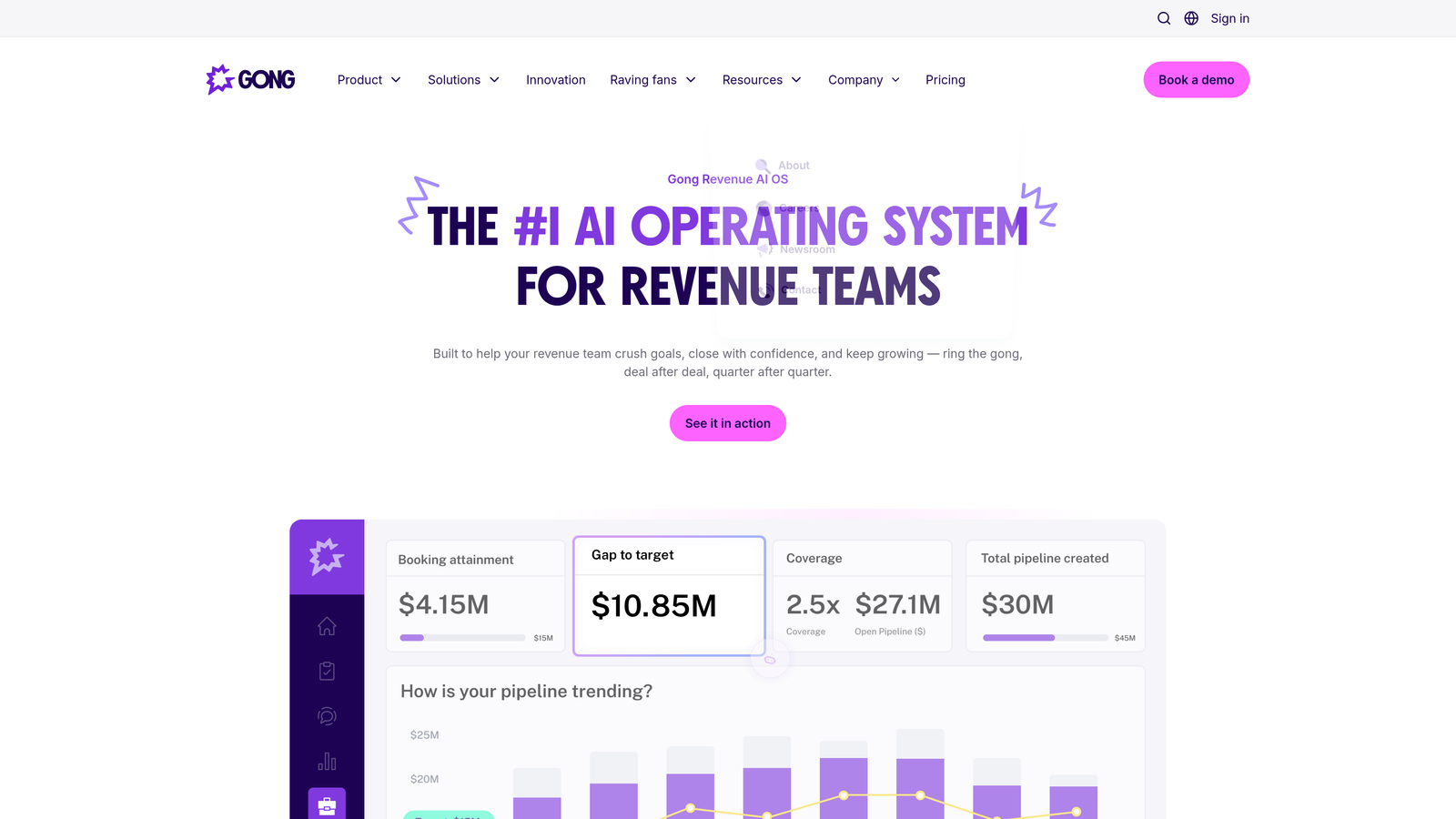
Gong is a conversation intelligence platform that analyzes sales calls to surface insights and coaching opportunities.
Where This Tool Shines
Gong turns subjective call reviews into data-driven coaching. The platform transcribes and analyzes every customer conversation, identifying patterns that correlate with won deals versus losses. Managers can spot exactly where reps struggle—whether it's talk ratio, competitor mentions, or objection handling.
The deal intelligence features provide early warning signals. If a champion stops engaging or a competitor gets mentioned repeatedly, Gong flags the risk before the deal slips away. This visibility is particularly valuable for complex enterprise sales where deals can stall for weeks without obvious signals.
Key Features
AI Call Analysis: Automatic transcription with sentiment analysis, keyword tracking, and speaker ratio metrics.
Deal Intelligence: Risk alerts based on engagement patterns, competitor mentions, and buying signal changes.
Coaching Scorecards: Standardized frameworks for evaluating calls and providing consistent feedback.
Competitive Intelligence: Aggregate data on how competitors are positioned and which objections come up most.
Video Platform Integration: Works with Zoom, Teams, and other conferencing tools plus CRM systems.
Best For
Mid-market and enterprise sales teams where deal values justify investment in call intelligence. Most impactful for organizations with newer reps who need structured coaching or complex products requiring consultative selling. Less valuable for transactional sales with short call durations.
Pricing
Custom enterprise pricing based on user count and call volume. Typical range is $100-150/user/month depending on features and contract terms.
6. Apollo.io
Best for: Teams needing prospecting data combined with outreach automation
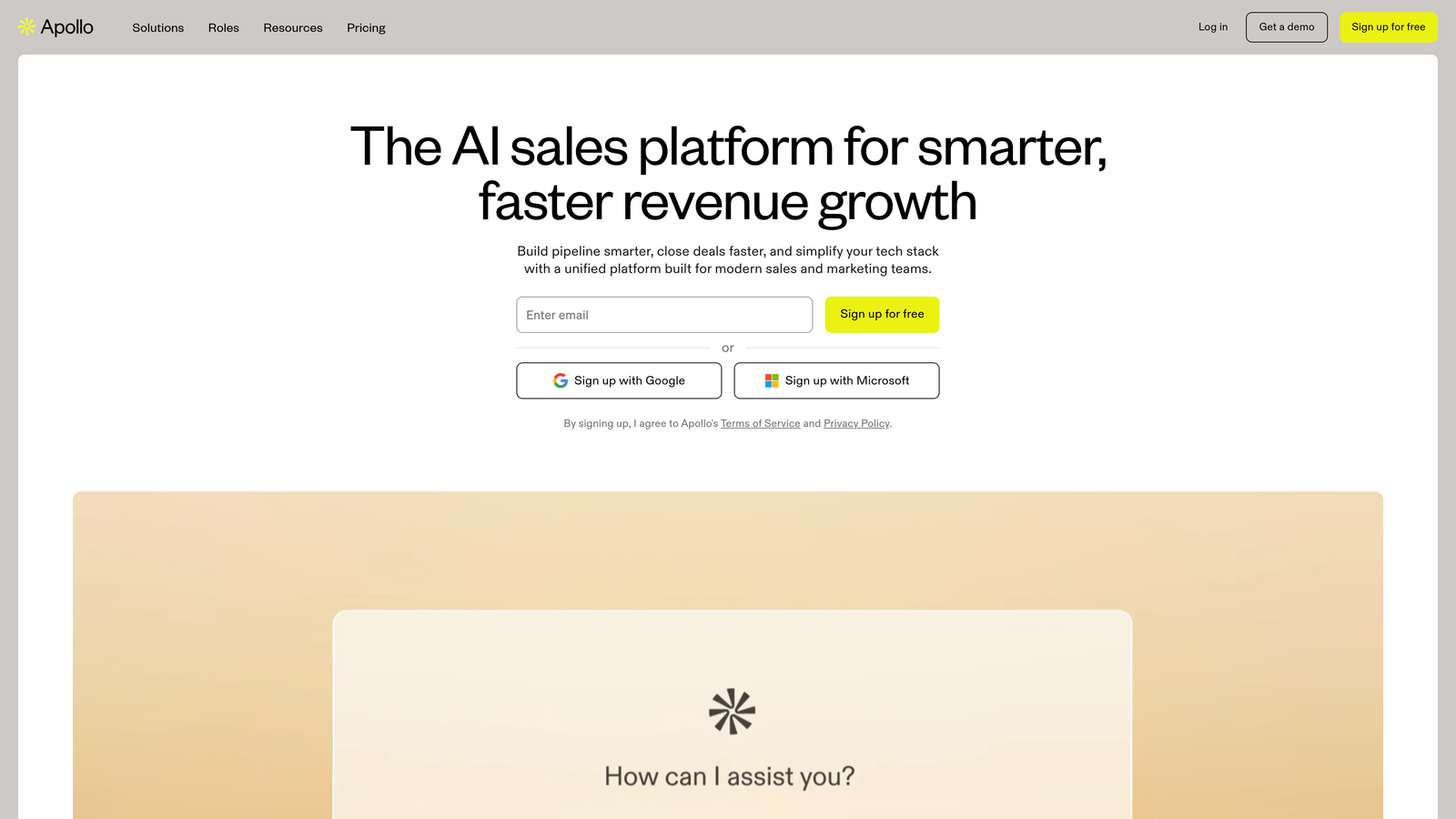
Apollo.io is a sales intelligence platform combining a B2B contact database with outreach automation.
Where This Tool Shines
Apollo solves the "who do I contact?" problem by providing a massive database of verified business contacts alongside the tools to reach them. Instead of bouncing between LinkedIn, ZoomInfo, and your email platform, everything happens in one interface.
The intent data capabilities add a targeting layer beyond basic firmographics. The platform surfaces companies showing buying signals—like technology stack changes or hiring patterns—so reps can prioritize accounts likely to be in-market.
Key Features
Contact Database: Access to 270M+ contacts with email verification and enrichment.
Email Sequences: Automated outreach campaigns with personalization and follow-up logic.
LinkedIn Chrome Extension: Prospect directly from LinkedIn profiles with one-click contact export.
Intent Signals: Buying signals based on technology adoption, hiring activity, and web behavior.
CRM Integration: Sync contacts and activity data with Salesforce, HubSpot, and other platforms.
Best For
Outbound-focused teams that need both prospecting data and engagement tools. Particularly valuable for startups and SMBs that can't afford separate contracts for data providers and sequence platforms. Works best for mid-market targeting where contact data is reliable.
Pricing
Free tier includes limited credits for testing. Basic at $49/user/month adds unlimited email credits. Professional at $99/user/month includes intent data and advanced filters.
7. Calendly
Best for: Eliminating scheduling friction and back-and-forth booking emails
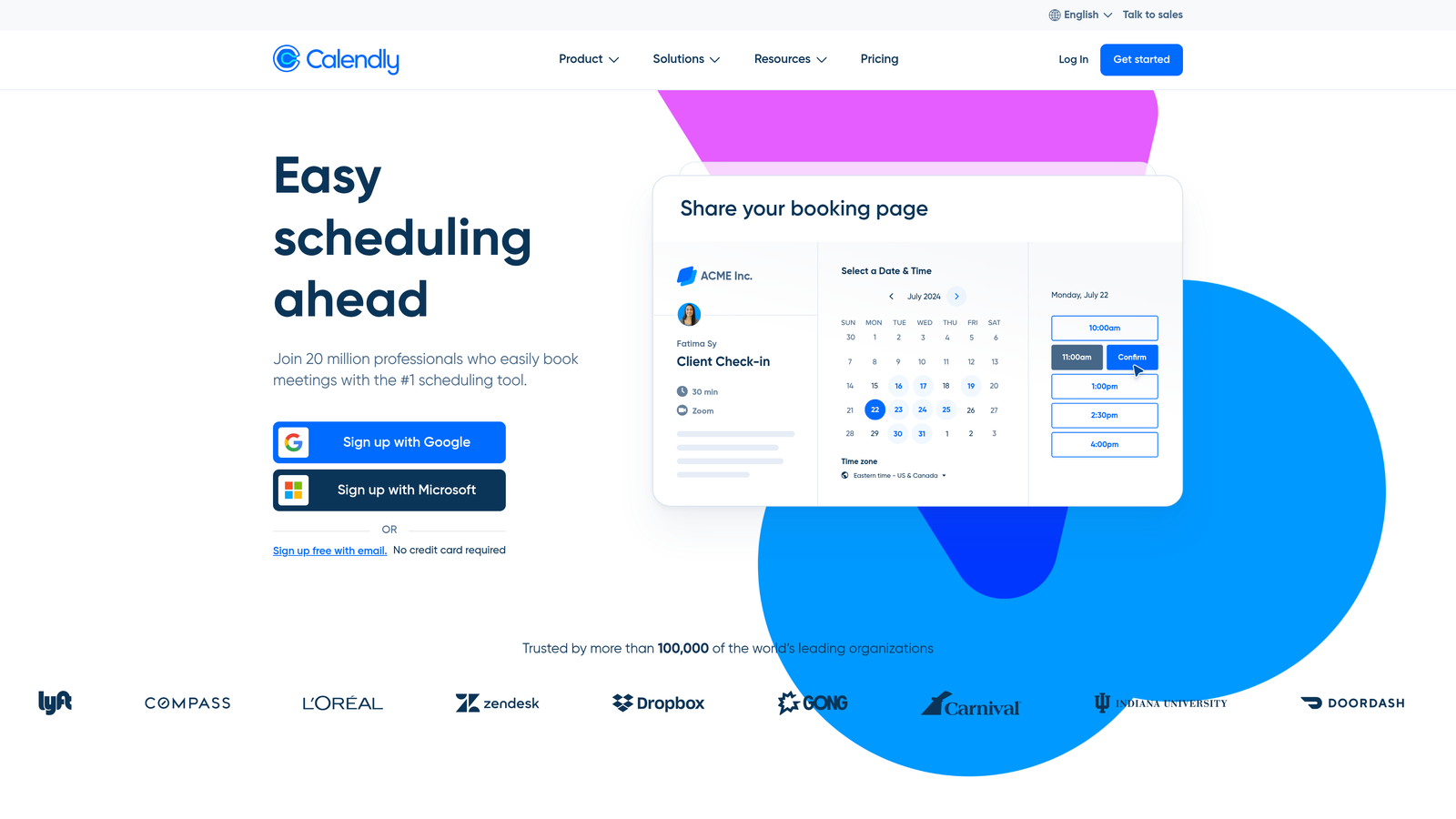
Calendly is a scheduling automation tool that eliminates back-and-forth emails for booking meetings.
Where This Tool Shines
Calendly removes one of the most frustrating time sinks in sales: the email tennis of finding meeting times. Prospects click a link, see your actual availability, and book a slot that works for both parties. This simple shift saves hours per week while reducing the lag between initial interest and first conversation.
The round-robin and collective scheduling features shine for team selling. Instead of manually coordinating calendars across account executives, solutions engineers, and managers, Calendly automatically finds times when all required participants are free.
Key Features
One-Click Scheduling: Shareable links showing real-time availability from connected calendars.
Round-Robin Distribution: Automatically rotate meeting assignments across team members based on availability and capacity.
Calendar Sync: Bidirectional integration with Google Calendar, Outlook, and iCloud prevents double-bookings.
Automated Reminders: Email and SMS notifications reduce no-shows and last-minute cancellations.
CRM Integration: Log scheduled meetings directly to Salesforce, HubSpot, and other platforms.
Best For
Any sales team that books meetings regularly. Particularly valuable for inbound teams where speed-to-contact matters or organizations with distributed teams across time zones. The ROI becomes obvious within the first week of use.
Pricing
Free basic plan for individuals with core scheduling features. Standard at $12/seat/month adds integrations and customization. Teams at $20/seat/month includes round-robin and collective scheduling.
8. Close
Best for: Inside sales teams wanting calling, SMS, and email in one CRM
Close is a CRM built specifically for inside sales with native calling, SMS, and email in a single interface.
Where This Tool Shines
Close eliminates the context switching that kills inside sales productivity. Instead of clicking between your CRM, phone system, and email client, everything happens in one screen. Reps can call, text, email, and log notes without ever leaving the deal record.
The power dialer capabilities transform high-volume calling. The system automatically queues up the next contact, logs call outcomes, and triggers follow-up tasks based on disposition codes. This automation lets reps focus on conversations rather than administrative clicks.
Key Features
Built-In VoIP Calling: Native phone system with power dialer for rapid call progression.
SMS Messaging: Text prospects directly from the CRM with conversation threading.
Email Sequences: Automated follow-up campaigns with templates and scheduling.
Pipeline Dashboards: Visual reporting on deal stages, rep activity, and conversion metrics.
Integration Ecosystem: Zapier connectivity plus native integrations with common sales tools.
Best For
Small to mid-sized inside sales teams making high volumes of calls. Ideal for SMB-focused organizations or companies selling products with shorter sales cycles. Less suitable for enterprise field sales or teams that rarely use the phone.
Pricing
Startup at $59/user/month includes basic CRM and calling. Professional at $109/user/month adds advanced reporting and workflows. Enterprise at $149/user/month includes dedicated support and custom features.
9. Pipedrive
Best for: Small teams wanting visual pipeline management without complexity
Pipedrive is a visual CRM with intuitive drag-and-drop pipeline management designed for small sales teams.
Where This Tool Shines
Pipedrive nails simplicity. The kanban-style pipeline view makes deal progression immediately obvious—you can see exactly where deals are stuck and which reps need help. This visual approach reduces the learning curve to hours rather than weeks.
The activity-based selling methodology keeps reps focused on next actions rather than getting lost in data fields. The system prompts for specific activities tied to each deal stage, creating accountability without feeling like micromanagement.
Key Features
Visual Pipeline: Kanban board showing deals by stage with drag-and-drop movement.
Activity Reminders: Prompts for calls, emails, and tasks based on deal stage and timeline.
Email Integration: Connect Gmail or Outlook to track messages and sync conversations.
Custom Deal Fields: Tailor data capture to your sales process without technical setup.
Mobile App: Full-featured iOS and Android apps for updating deals on the go.
Best For
Small sales teams (under 20 reps) that prioritize ease of use over advanced features. Perfect for first-time CRM buyers or teams migrating from spreadsheets. Companies with complex enterprise requirements will quickly outgrow the platform.
Pricing
Essential at $14/user/month covers basic CRM and pipeline features. Advanced at $34/user/month adds email sync and automation. Professional at $49/user/month includes advanced reporting and custom fields.
10. Clari
Best for: Revenue leaders needing AI-powered forecasting and pipeline inspection
Clari is a revenue intelligence platform providing AI-powered forecasting and comprehensive pipeline visibility.
Where This Tool Shines
Clari transforms revenue forecasting from spreadsheet guesswork into data-driven predictions. The platform analyzes activity patterns, engagement signals, and historical win rates to project which deals will close and when. This intelligence helps revenue leaders make confident commitments to boards and investors.
The pipeline inspection capabilities surface risks before they become missed quarters. Clari flags deals with declining engagement, missing stakeholders, or stalled progression—giving managers time to course-correct rather than discovering problems during end-of-quarter fire drills.
Key Features
AI Revenue Forecasting: Predictive models analyzing deal health and historical patterns to project quarter outcomes.
Pipeline Inspection: Deal health scores based on activity levels, stakeholder engagement, and progression velocity.
Activity Capture: Automatic logging of emails, meetings, and calls from connected platforms.
Mutual Action Plans: Collaborative deal execution frameworks shared with buyers to drive momentum.
Executive Reporting: Board-ready dashboards showing pipeline coverage, win rates, and forecast accuracy.
Best For
Mid-market and enterprise organizations where forecast accuracy directly impacts business planning. Most valuable for companies with quarterly board reporting requirements or those scaling past the point where manual forecasting works. Overkill for small teams with simple pipelines.
Pricing
Custom enterprise pricing based on team size and selected modules. Implementation typically includes dedicated customer success and training resources.
11. Lavender
Best for: Improving cold email performance with AI-powered writing assistance
Lavender is an AI email assistant that coaches reps to write better cold emails with real-time suggestions.
Where This Tool Shines
Lavender acts like a writing coach sitting beside every rep. As you draft emails, the platform scores your message and suggests improvements—shortening paragraphs, adding personalization hooks, or flagging language that triggers spam filters. This real-time feedback helps newer reps write like veterans.
The mobile optimization checking addresses a critical but often overlooked issue. Since most prospects read email on phones, Lavender shows exactly how your message will render on small screens and flags problems before you hit send.
Key Features
Real-Time Email Scoring: Instant feedback on subject lines, body copy, and overall message effectiveness.
Personalization Recommendations: Suggestions for adding relevant details based on prospect data and social profiles.
Mobile Preview: See exactly how emails render on smartphones and tablets.
Team Analytics: Aggregate performance data showing which reps and messages drive best response rates.
Platform Integration: Works inside Gmail, Outlook, Outreach, SalesLoft, and other email tools.
Best For
Teams doing high-volume cold outreach where email quality directly impacts pipeline. Particularly valuable for organizations with newer SDRs who need structured coaching or companies struggling with low email response rates. Less critical for teams focused primarily on warm introductions.
Pricing
Free tier available for individual users with basic scoring. Pro at $29/month unlocks advanced features and integrations. Teams pricing available with centralized analytics and coaching tools.
Making the Right Choice
The best sales productivity stack isn't about collecting the most tools. It's about combining complementary platforms that eliminate your biggest time sinks without creating integration headaches.
Start with your foundation. Most teams need a CRM core—whether that's HubSpot for simplicity, Salesforce for customization, or Close for inside sales focus. From there, add layers based on your specific workflow gaps.
If lead qualification bottlenecks your pipeline, Orbit AI solves that before prospects even reach your team. Running high-volume outbound? Outreach or Apollo.io automates the sequence grind. Want to improve call performance? Gong provides the intelligence layer. Need better forecasting? Clari gives revenue leaders the visibility they require.
The sweet spot for most teams combines three elements: a CRM foundation, an engagement platform for outreach automation, and an intelligence layer for coaching or forecasting. Tools like Calendly and Lavender slot in as point solutions addressing specific friction points.
Don't try to implement everything at once. Identify your biggest productivity drain—whether that's manual lead qualification, scheduling chaos, or inconsistent outreach—and solve that first. Once adoption is solid, add the next layer.
Ready to stop losing qualified leads to slow follow-up? Start your free trial today and see how intelligent form design can elevate your conversion strategy. Transform your lead generation with AI-powered forms that qualify prospects automatically while delivering the modern, conversion-optimized experience your high-growth team needs.


